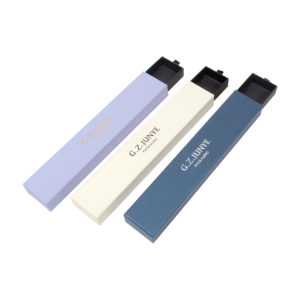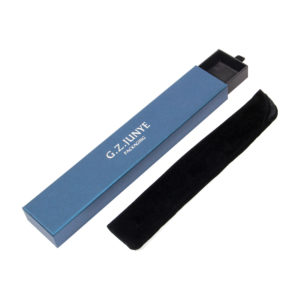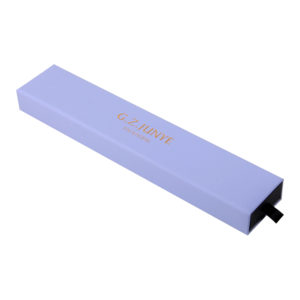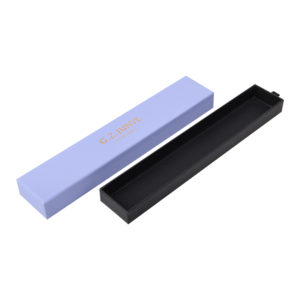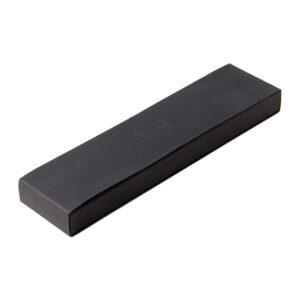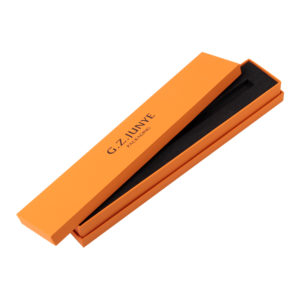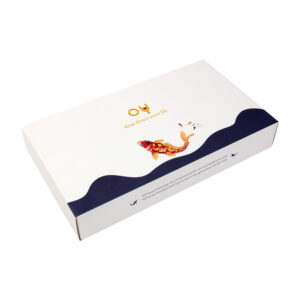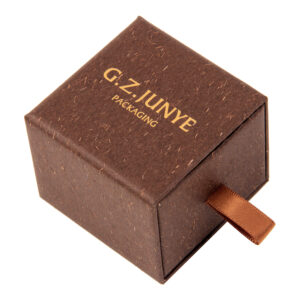
A premium Tea Bag Packaging Box does more than hold tea—it shapes your brand’s first impression and influences shelf appeal. At Junyepackaging, we specialize in custom Tea Bag Packaging Box solutions that balance competitive cost with high-quality printing and structure. Below, find our FAQ covering key pricing factors—from materials and finishes to quantity-based savings—to help you plan your packaging budget wisely. **Q1: What factors mainly determine the unit price of a custom tea packaging box?** **A:** The unit price is primarily driven by **five key variables**. Understanding these helps you make cost-effective choices: 1. **Material & Thickness**: Standard 350g C1S (Coated One Side) art paper is the most economical. If you need a premium feel with 400g specialty paper (like Kraft or textured stock), the cost increases by roughly 10-20%. 2. **Printing Finish**: Basic 4-color (CMYK) printing is included in standard quotes. However, **hot stamping (gold/silver foil), embossing, or spot UV coating** add to the tooling and labor cost. 3. **Box Structure**: A simple tuck-end box is cheaper than a two-piece rigid box or a drawer-style box. 4. **Quantity**: This is the biggest lever. Printing requires setup time.
Category Archives: Knowledge
When choosing watch box packaging, paper options offer surprising benefits beyond just being green. Here are answers to questions you may not have thought to ask. 1. Can watch packaging box protect watches during shipping? Yes, if they include inner cushioning like molded pulp trays or foam. Rigid paper boxes with corrugated inserts pass ISTA drop tests easily. 2. How do I choose the right size? Measure your watch’s length, width, and height, then add 5–10mm for padding. Avoid oversized boxes – they waste material and increase shipping costs. 3. Are the printing inks eco‑friendly? Many suppliers now use soy‑based or water‑based inks. They’re non‑toxic and easier to recycle than petroleum inks. Always ask for certification. 4. Can paper boxes be stacked in storage? Yes – rigid paper boxes can support up to 50kg when stacked properly. For foldable watch paper packaging, use outer cartons for warehouse storage. 5. What’s the minimum order quantity for custom designs? Some digital printers offer as few as 100 pieces. For foil stamping or embossing, expect 500–1,000 units. 6. Do paper boxes affect the watch’s value? For affordable and mid‑range watches, no.
A watch paper packaging made from paper is eco-friendly, lightweight, and surprisingly durable. Below are quick answers to common questions about styles, materials, and more. 1. What styles of paper watch packaging boxes are available? Rigid (premium feel), foldable (space-saving), drawer-style, hinged lid, and telescoping boxes. 2. What materials are used? Kraft paper, coated paper, recycled paperboard, and textured specialty paper. Many include foam or velvet inserts for protection. 3. Are paper boxes durable enough? Yes, high-density rigid paper offers good shock resistance. Avoid moisture – not waterproof. 4. Can I customize them with logos? Absolutely. Options include offset printing, foil stamping, embossing, and spot UV coating. 5. Are they eco-friendly? Avoid plastic lamination for full recyclability. 6. How do they compare to wood or metal? Paper is lighter, cheaper, and greener, but less water-resistant. Ideal for everyday watches. 7. What’s the cost? From $0.30 for basic kraft to $12+ for premium rigid boxes (wholesale prices). Choose paper watch boxes for a sustainable, stylish, and cost-effective packaging solution.

Last week, our article mentioned three types of samples in custom Perfume gift paper Box packaging, which sparked curiosity among our readers. Upon returning to work on Monday, we found over 30 emails asking about their meanings and differences. Today, we’ll briefly explain the three terms: ordinary proof sample, pre-production sample, and bulk production sample. These three samples follow a sequential timeline. An ordinary proof sample is the first version produced based on the client’s design. A pre-production sample comes after modifications—it’s the finalized version with all adjustments, serving as the reference for mass production. Finally, a bulk production sample is randomly selected from the finished batch, representing the final output. We hope this clarifies the process. Feel free to leave comments or questions!
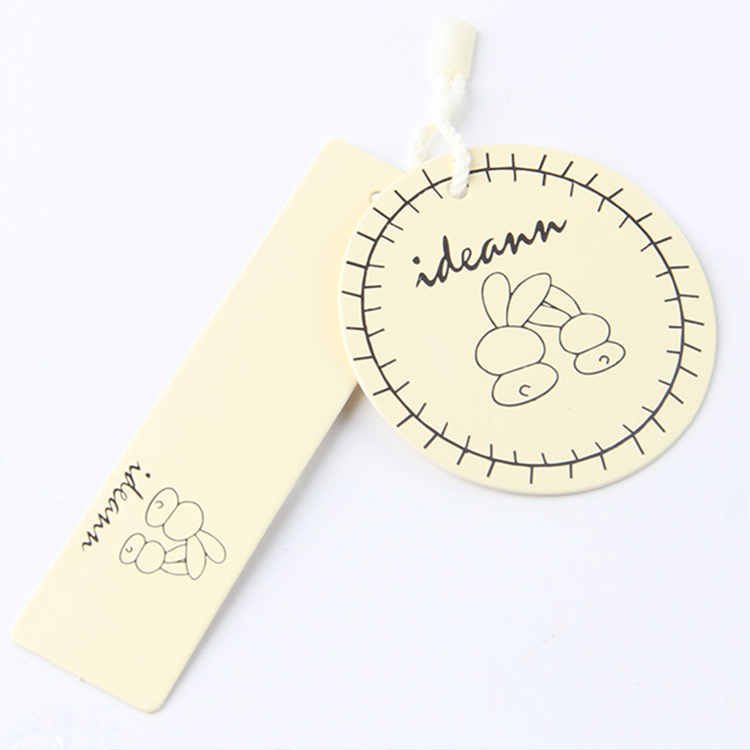
Many first-time or experienced buyers worry about overlooking key details when inspecting custom clothing hang tags from packaging suppliers. Simply checking color and logo placement isn’t enough. Here are two effective self-check methods for thick paper tags with mounted layers. First, check the four corners. Some manufacturers use low-quality glue or mounting paper, which can cause the corners to lift over time. Even if tags look fine upon arrival, use a hairdryer on hot mode to gently heat the corners. If the glue is substandard, it may lose adhesion and cause the layers to separate—an important sign to reconsider your supplier. Second, watch for tiny bubbles. These aren’t always visible right away. They may result from improper de-airing during the ink-and-water mixing process or insufficient drying during printing. To test, gently press the tag. If irregular spikes or bubbles appear on the mounted side, it may indicate trapped moisture or air. These simple physical checks can help ensure quality. More industry tips will follow in future posts of Custom Clothing Hang Tag.
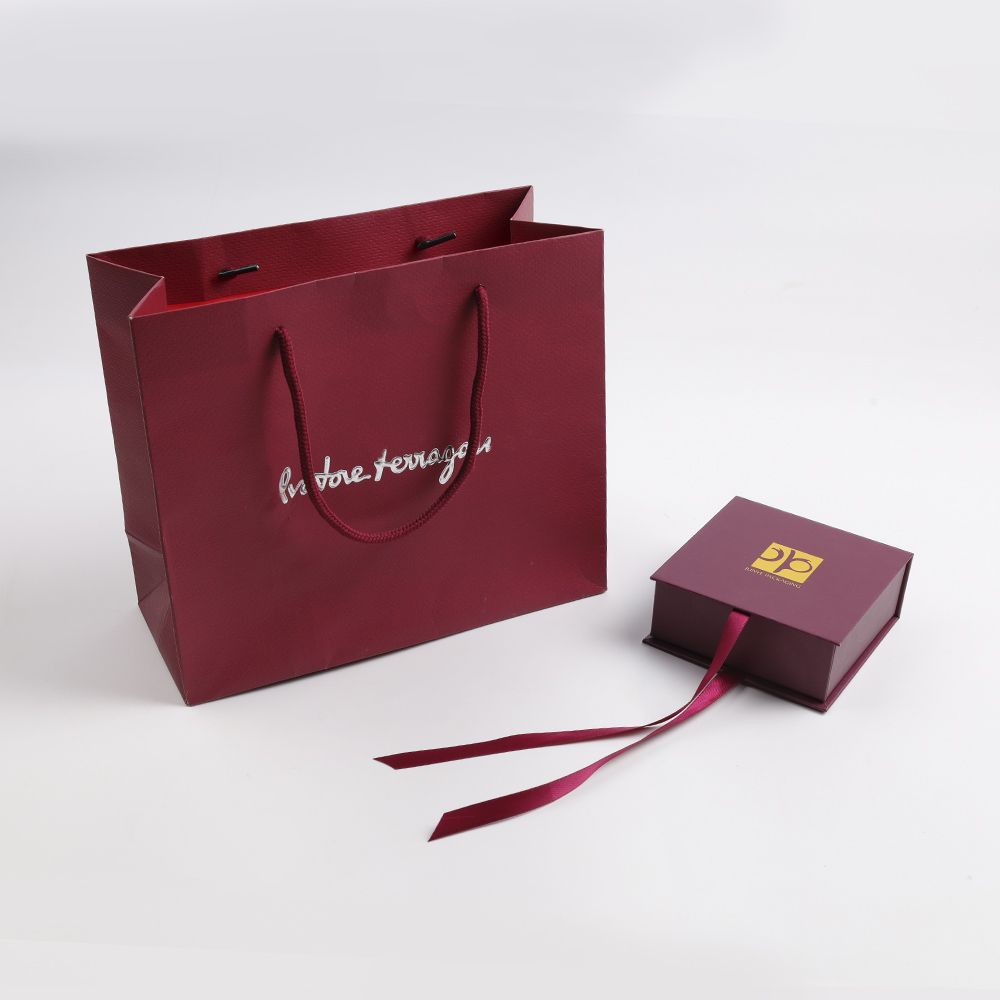
A jewelry seller once proposed a striking idea for custom Packaging Jewelry Bag: attach small jade pieces to the sides of the bags using holes or glue, so they’d catch light and stand out. The concept intrigued the packaging company’s designers and sales team—it was creative and attention-grabbing. However, after discussions with production experts, the idea was turned down for two main reasons. First, transport risks: the raised surface of the bags, covered in small jade pieces, could easily scrape against other bags during shipping. There was also a high chance the jade pieces could fall off entirely. Second, design imbalance: covering the bags with jade would overshadow other important finishing techniques. The decorations would overpower the overall look, confusing customers instead of impressing them. Though the idea didn’t work out, it sparked valuable discussion. As production and protection methods improve, such bold concepts might one day become feasible.
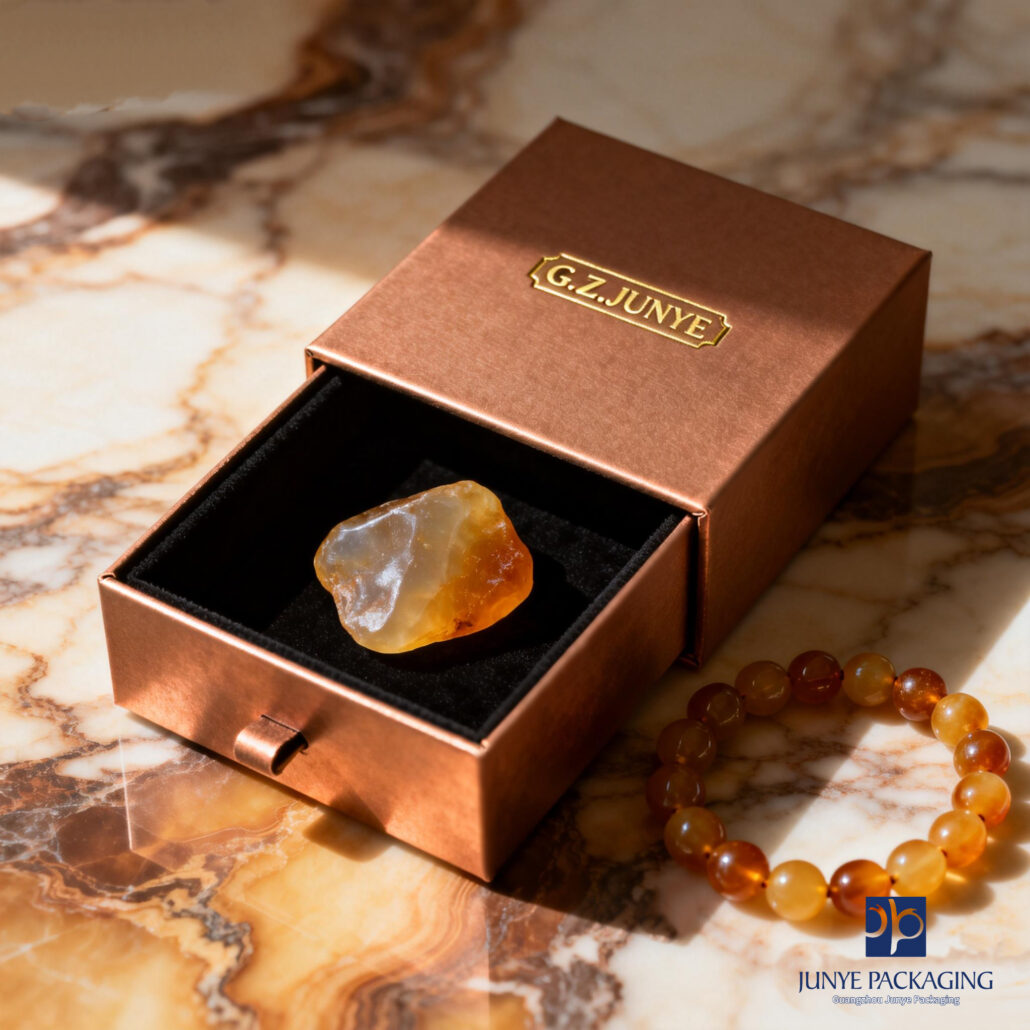
Custom Ring Packaging Paper Box today are dominated by a “paper-on-paper” structure. For newcomers wanting to understand the market, this is the mainstream trend worth knowing. This wasn’t always the case. Early ring boxes used harder materials like solid wood, which later evolved into MDF (medium-density fiberboard). Around the year 2000, MDF was the industry leader due to its superior drying process, which gave it a strong three-dimensional form and a crisp, pleasant sound when tapped. However, the rise of environmentalism shifted the market. As forest protection became a global priority, many manufacturers failed to adapt. The industry needed sustainable alternatives. Paper-on-paper construction emerged as the perfect solution. It offered lower environmental impact than paper-on-wood, was easier to recycle, and paperboard technology had finally matured enough to serve as a reliable core material. The ring box industry, heavily reliant on paper-on-wood, was quick to adopt this innovation. Driven by both external environmental pressure and internal material advancements, all-paper construction became the new standard. This explains why today, most ring boxes feature a two-piece, paper-on-paper structure, while older materials like plastic and paper-on-wood have gradually faded from the market.
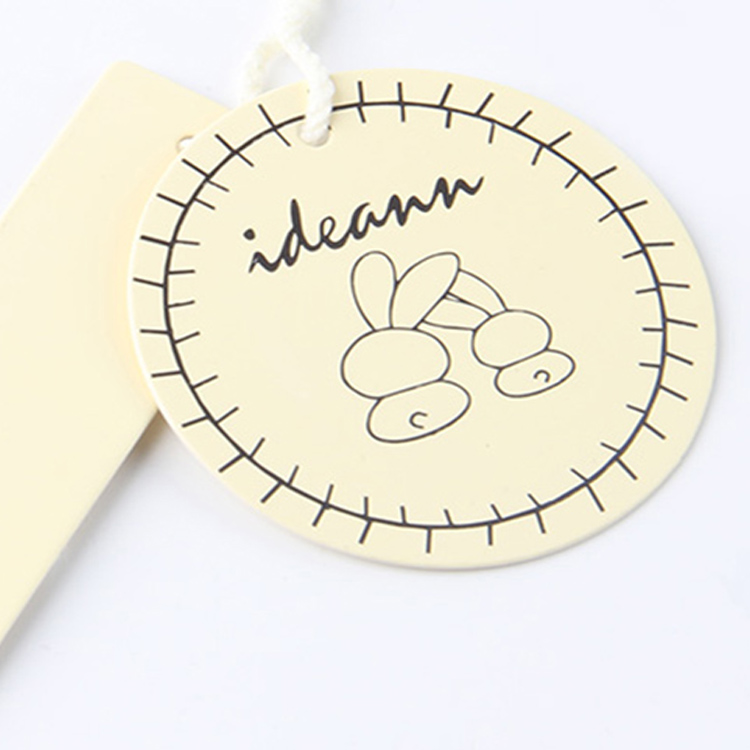
Many people wonder if pants tag factories recommend white cardboard—a more expensive material than gray board—simply to make more money. After all, even a small price difference adds up with large quantities. But is this really about profit? Not at all. The main reason lies in the tag’s appearance, particularly its side edge. When producing tags, factories often apply decorative paper only to the surfaces. For thin, double-layer white cardboard tags, each piece is faced with paper on one side, then glued back-to-back. This creates a clean, finished look—especially important for premium brands. The critical detail is the exposed edge. Unlike boxes, tag edges cannot be wrapped or covered with paper due to their narrow width. If gray board were used, the unfinished gray edge would be visible, compromising the product’s quality. White cardboard ensures the edge matches the tag’s surface, resulting in a polished, professional appearance. So when factories suggest white cardboard, it’s about quality, not upselling. It’s a detail that discerning brands notice—and a standard worth understanding in custom tag production.
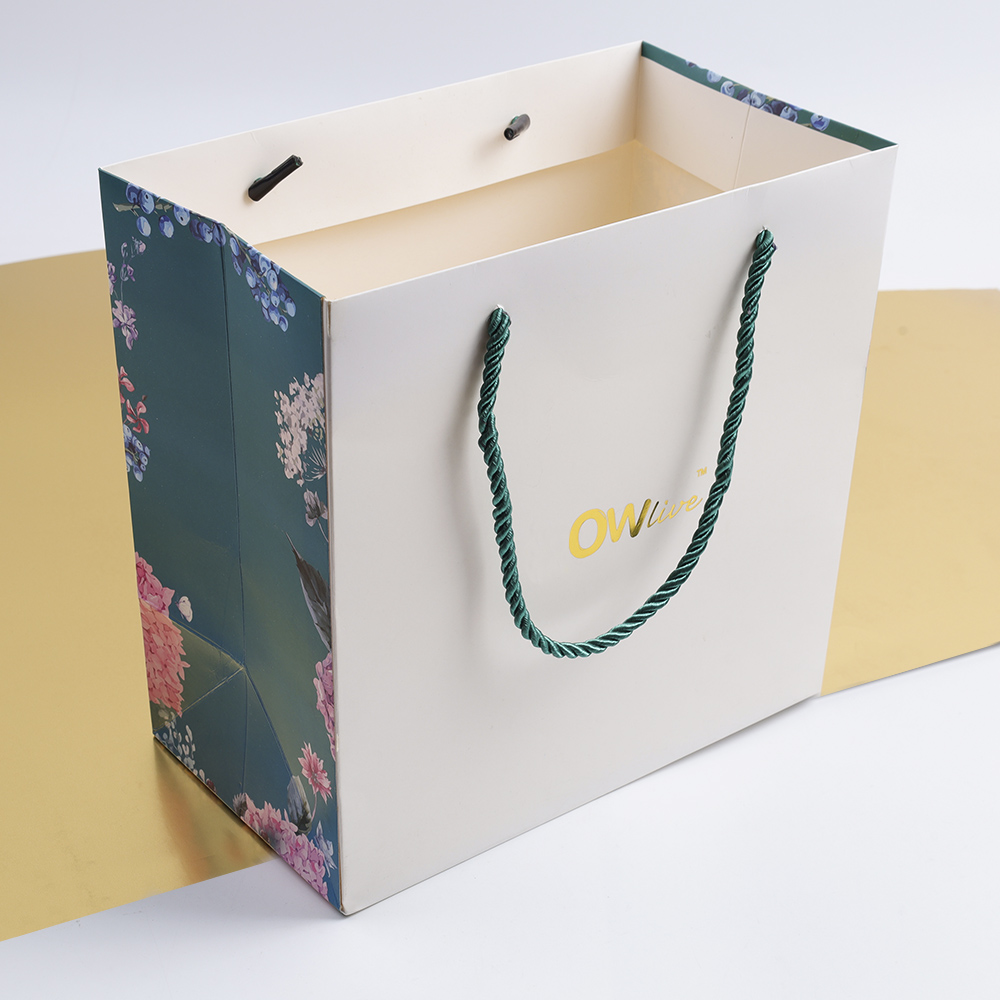
In recent years, materials for custom jewelry paper bags have shifted significantly. For decades, coated paper dominated the market—familiar, reliable, but increasingly uninspiring. Consumers, especially older demographics, grew tired of white packaging. The market needed novelty. This change wasn’t just about taste. Intense competition pushed smaller manufacturers to innovate. Price wars on coated paper products became unsustainable. To survive, producers explored new materials—cardboard, pearlescent paper, and textured options like Linen paper. These alternatives offered distinct visual and tactile appeal, breaking the monotony of traditional designs. Over the past nine years, more specialty papers have emerged, gaining popularity among brands and designers. Diversification now drives the industry, blending creativity with practicality. As material options grow, jewelry packaging continues to evolve—offering fresh, distinctive experiences for consumers.

A Ring Gift Box Factory puts significant effort into details that consumers may never notice but ultimately enhance their experience. Two key elements demonstrate this commitment to quality. First is concealing the “ears”—the excess wrapping paper folded at the four corners when paper is wrapped around inner materials. When these folds are perfectly hidden, the box surface appears completely smooth and seamless. This requires skilled craftsmanship and careful balance of paper thickness, glue quality, and material absorption. Second is managing the delicate gaps between the inner tray, wrapping paper, and box structure. These tiny spaces must be precisely calculated—tight enough for a secure fit, yet loose enough that jewelry sellers can easily insert necklaces without damaging the products. Poor spacing forces consumers to pull harshly on jewelry, risking breakage. These seemingly simple boxes result from countless small adjustments and skilled techniques. Every smooth surface and properly fitted tray represents the factory’s thoughtful approach to creating packaging that protects both the product and the user experience.