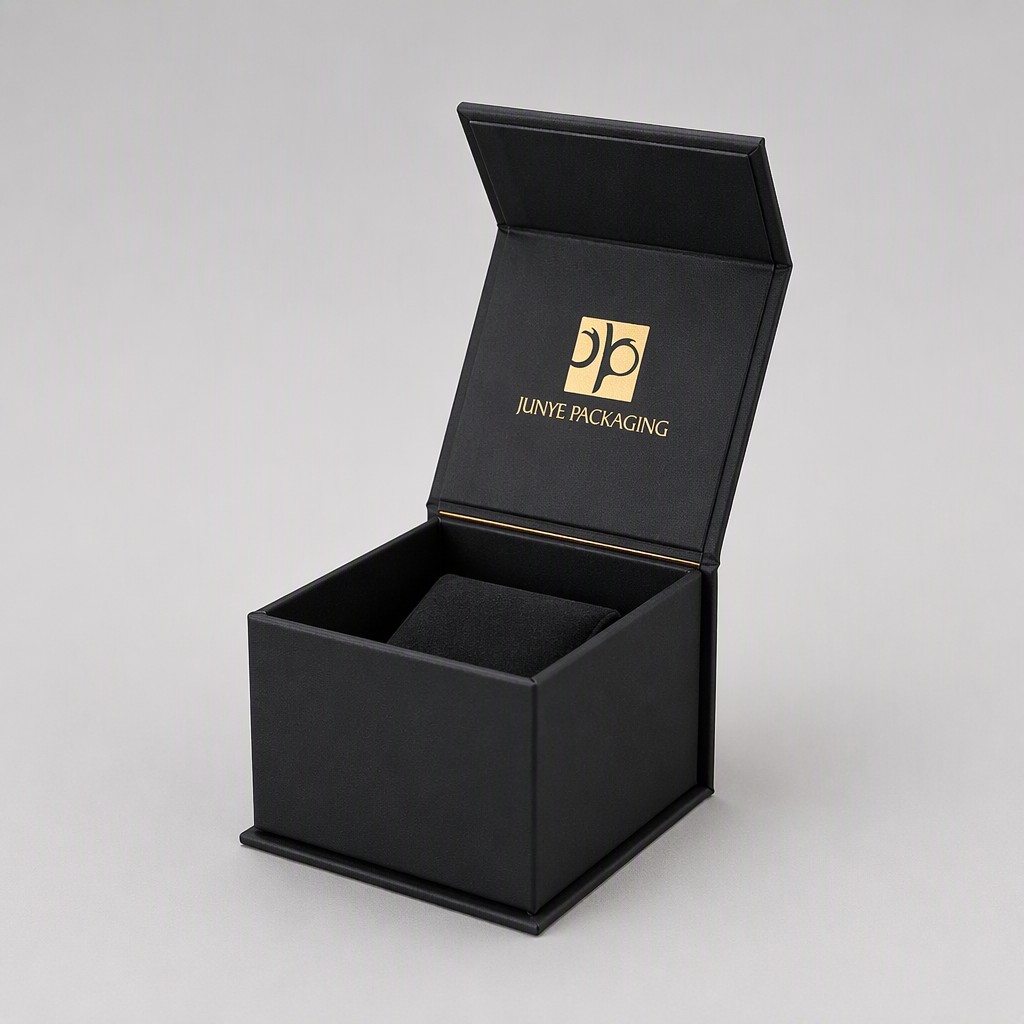
A Cube Is Not a Flat Box with Taller Walls Take a 9 x 9 x 2.5 cm box and multiply the height by two and a half and you do not get this box. A cube changes what the piece does inside: the lid has room to swing, the tray gets a raised middle,…
Category Archives: Knowledge
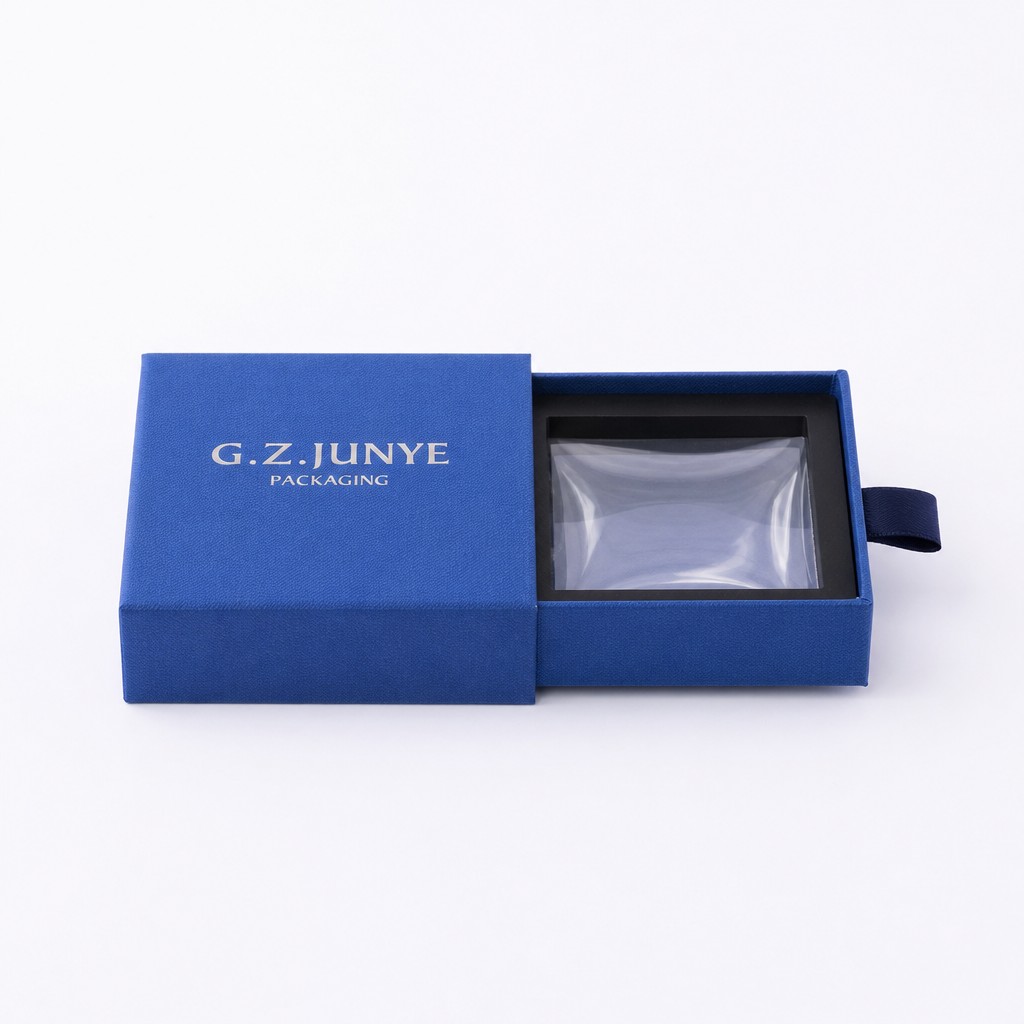
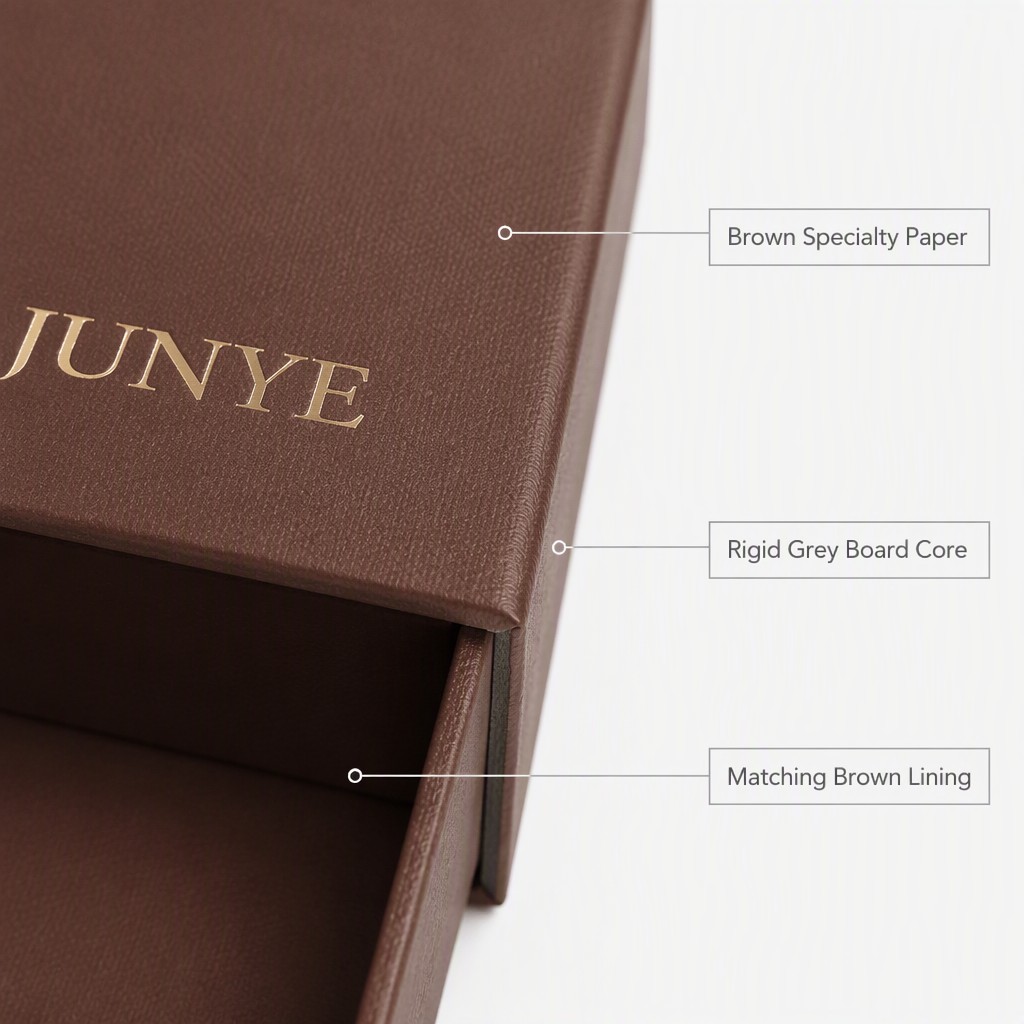
A drawer box is ordered on the outside – colour, size, logo, ribbon – and the insert is decided last, even though it is what determines whether the piece arrives centred or slides loose. This guide compares the three practical ways to hold jewellery inside a shallow tray: a black blister frame, which centres almost any shape; an EVA slot, which grips one outline precisely; and a moulded paper tray, which sits between the two without plastic. It also covers when a tray is better shipped empty, how a bracelet or bangle cut is drawn from the piece rather than a catalogue, and why changing the insert does not change the printed sleeve. Sampling runs five to seven days; minimum order is 300 pieces. Most drawer box orders are placed on the outside: colour, size, logo, ribbon. The insert is left open, and it is the part that decides whether the piece arrives centred or arrives loose. There are three practical ways to hold a piece inside a shallow tray, and they are not interchangeable. One centres anything; one grips a specific outline; one is chosen because of what the packaging must not contain.
A rimmed lid and base box is two moulded parts, and only one of them moves. The lid is a shell with side walls that drop down the outside of the box; those walls are the skirt. The base is an open tray. There is no hinge between them and nothing to slide. Lift the lid straight up and the tray stays where it is. Lower it back and the skirt guides itself onto the tray on all four sides, so the closed box reads as one solid block. Parts Skirted lid plus open base tray Motion Lid lifted vertically, then lowered back down Joint Overlap of skirt onto tray, friction fit Depth is the design decision buyers feel first. A shallow tray holds a ring and little else; six centimetres of interior height lets a pendant sit on its chain without the chain being coiled into a tangle against the lid. That height also protects in transit. A piece that rests on the floor of the tray cannot move upward against the lid, which is where most polishing marks come from on a small box.
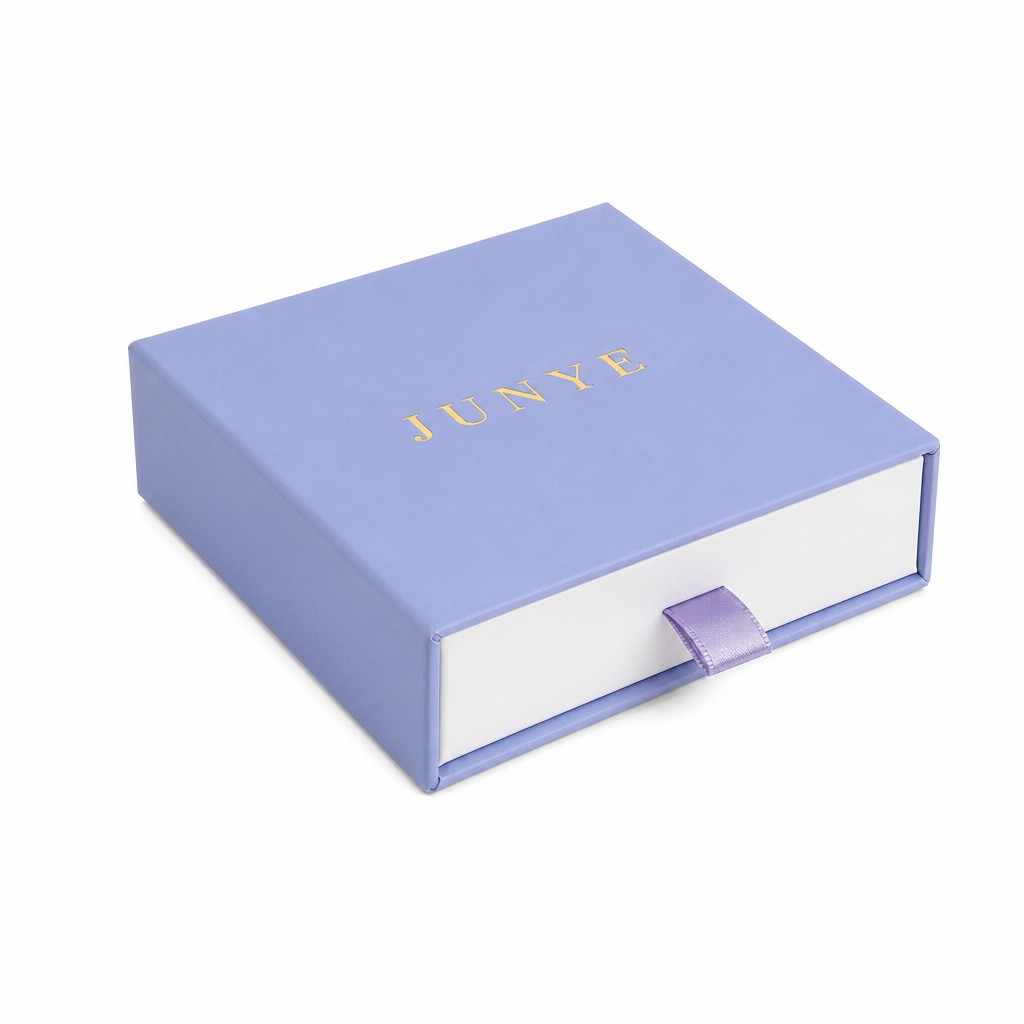
Does a one-way drawer box really hold less than a two-way drawer? Five assumptions about pull direction, tray travel, tray depth and inserts, checked against how the box is actually built. A one-way drawer box opens by pulling the tray out of a sleeve — one direction, no lid and no hinge. The tray is stopped inside the sleeve, so it cannot come free in normal handling. Most of what buyers get wrong about this format comes down to five assumptions, and they are worth clearing before a die is cut. The single-end sleeve is often read as the cheaper version of a box that opens from both ends. It is a different construction rather than a reduced one. A one-way sleeve has three closed walls and one open face, which makes it the stiffer of the two: the closed back acts as a stop, and there is only one opening to keep square. Inside the sleeve there is no track, no runner and no magnet. The tray is a plain rigid box that is slightly smaller than the sleeve, and the clearance between them is what decides whether the movement feels smooth or loose.
What two fixed dividers change about the insert, the sitting height and the way a set is packed. A set box is not a bigger single-piece box. The moment two dividers go in, the insert has to work in three compartments at once — and that changes the measurements, the depth and the way the box is packed. Here is what the compartment layout actually decides, in the order it comes up on a real order. A single-piece box is measured around one item. A set box is measured around the group, and the group is what makes it long: three compartments side by side need length rather than depth, which is why this build is 26 x 9 x 4 cm rather than a deep square. Each compartment has to clear the widest piece it will hold plus the divider. Run the arithmetic before choosing the outer size, not after: a 9 cm width and a 4 cm depth are set by the pieces, while the 26 cm length is set by how many compartments you need. Four centimetres keeps the box a presentation case rather than a chest.
Five closure mistakes we see on magnetic flip boxes, and the checks that settle them before a die is cut. A flip box lives or dies on one detail: whether the lid stays down. Everything else — the paper, the print, the bow — is judged after that. These five mistakes come up often enough that we now raise them at quotation stage rather than after a sample has been cut. The ribbons are the most visible part of the box, so they get treated as the closure. They are not. On a magnetic box the lid is drawn shut by magnets sitting in the front edge, and the ribbons are anchored separately on the lid and the base so they can be tied into a bow. Untie it, cut it, or leave it in the box — the lid still sits flat and stays shut. If the closure really depends on the ribbon, the box arrives open in a bag, the shop tightens the bow before every display, and the customer has to retie it to close the box. A magnet removes that whole routine, and the bow goes back to being a decorative detail.
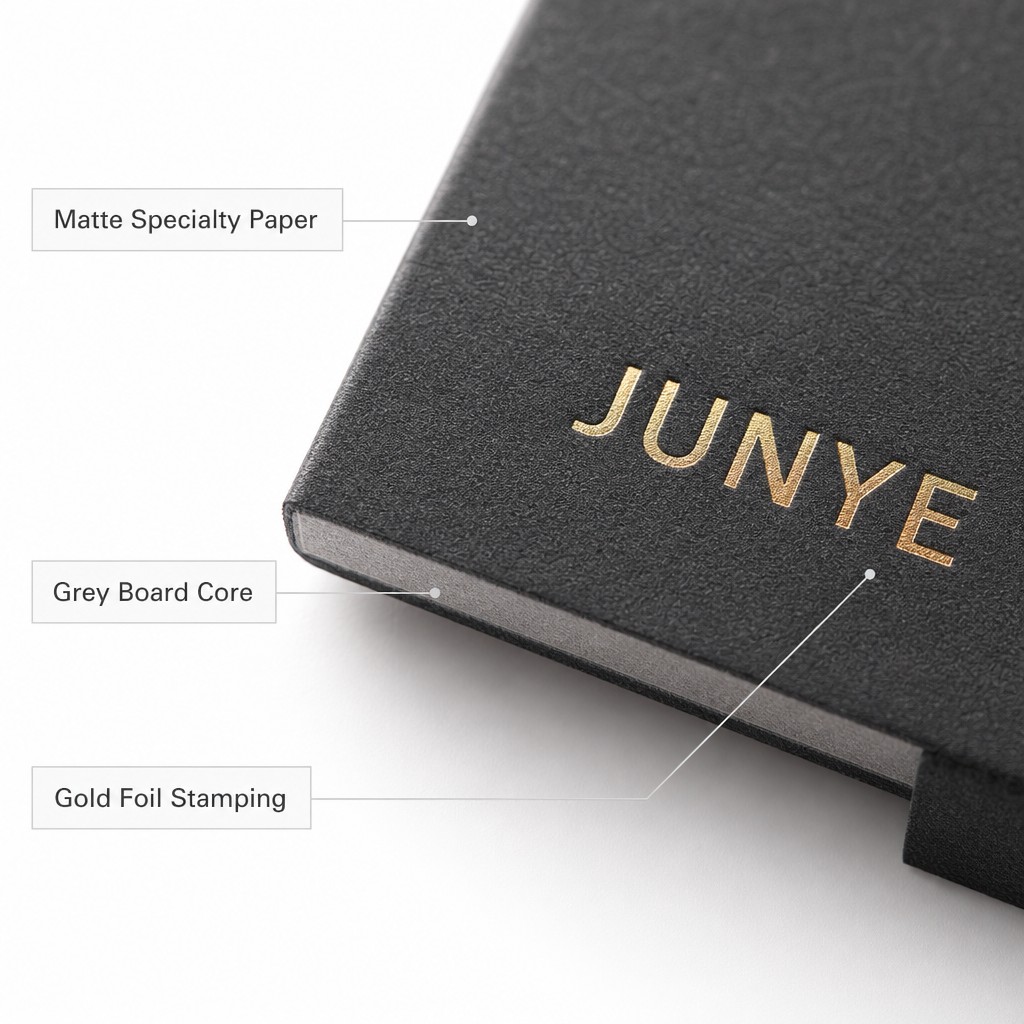
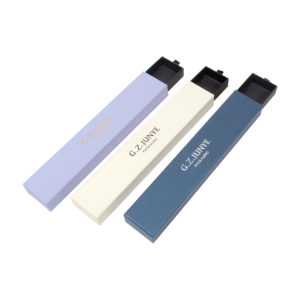
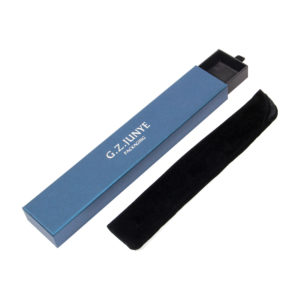
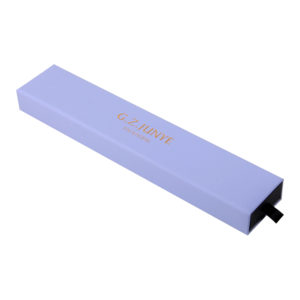
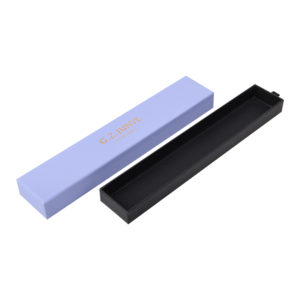
Five insert mistakes we see most often on a flat drawer box — and what to send us so the first sample is the one you keep. On a drawer box, most of the problems that come back after delivery start at the insert, not at the print. The sleeve and the tray are settled quickly; the insert is where assumptions survive longest. Five mistakes come up again and again. Each one is cheap to avoid before a sample is cut, and expensive to fix after the bulk run. Buyers choose the box and colour first, then add an insert at the end. In production it is the other way round: the insert decides what the box can hold, and the tray shell follows from that. Because the outline is what governs fit, a single tray can present a ring set for one order and a pendant for the next. Nothing but the cut shape moves. Nothing about the sleeve, the lining or the foil has to change between models, so a bracelet line and a necklace line can share one construction and differ only in the insert.
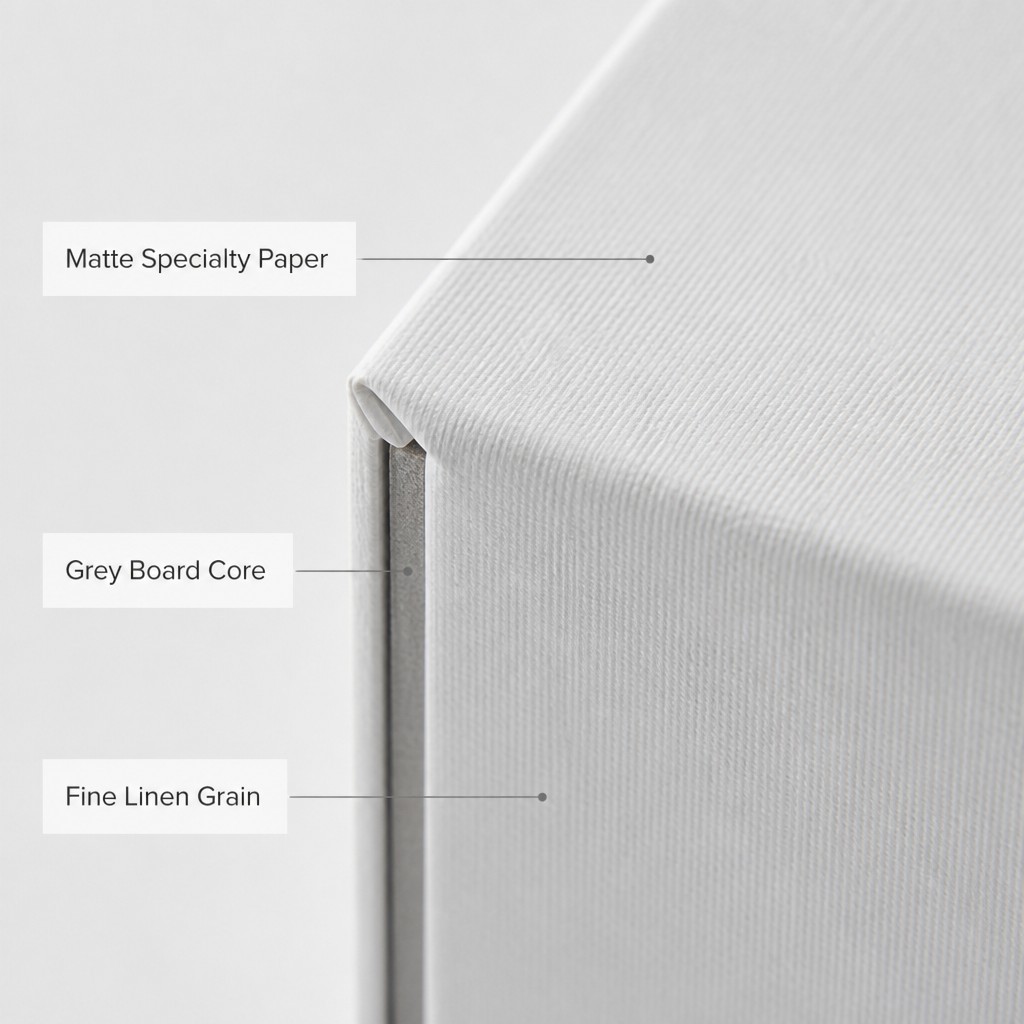
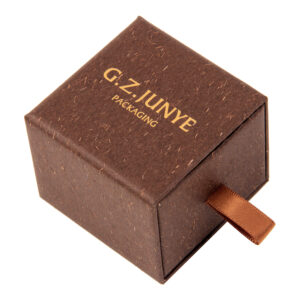
Most drawer box problems are insert problems: slot depth, foam density and pull-out clearance decide whether a piece sits still. Here are the five assumptions we correct most often. Five assumptions about a drawer jewelry box insert cost buyers a second sample round more often than anything else. The insert — not the box — decides what a drawer box can hold, and the slot you approve is the slot you have to live with for the rest of the run. Below are the five we correct most often, with what is actually true and what to send us so the first sample is right. The common assumption is that an 8 x 8 x 2.5 cm shell can only carry a ring. In practice the shell sets the outer footprint, and the insert decides what sits inside it. A die cut slot holds a piece in a fixed position, so the same drawer box tray can carry a ring on Monday and a pair of earrings on Tuesday. What changes is the cut outline, not the box. Because the sleeve, print and lining stay identical, a ring box and a bracelet box can come off the same construction.
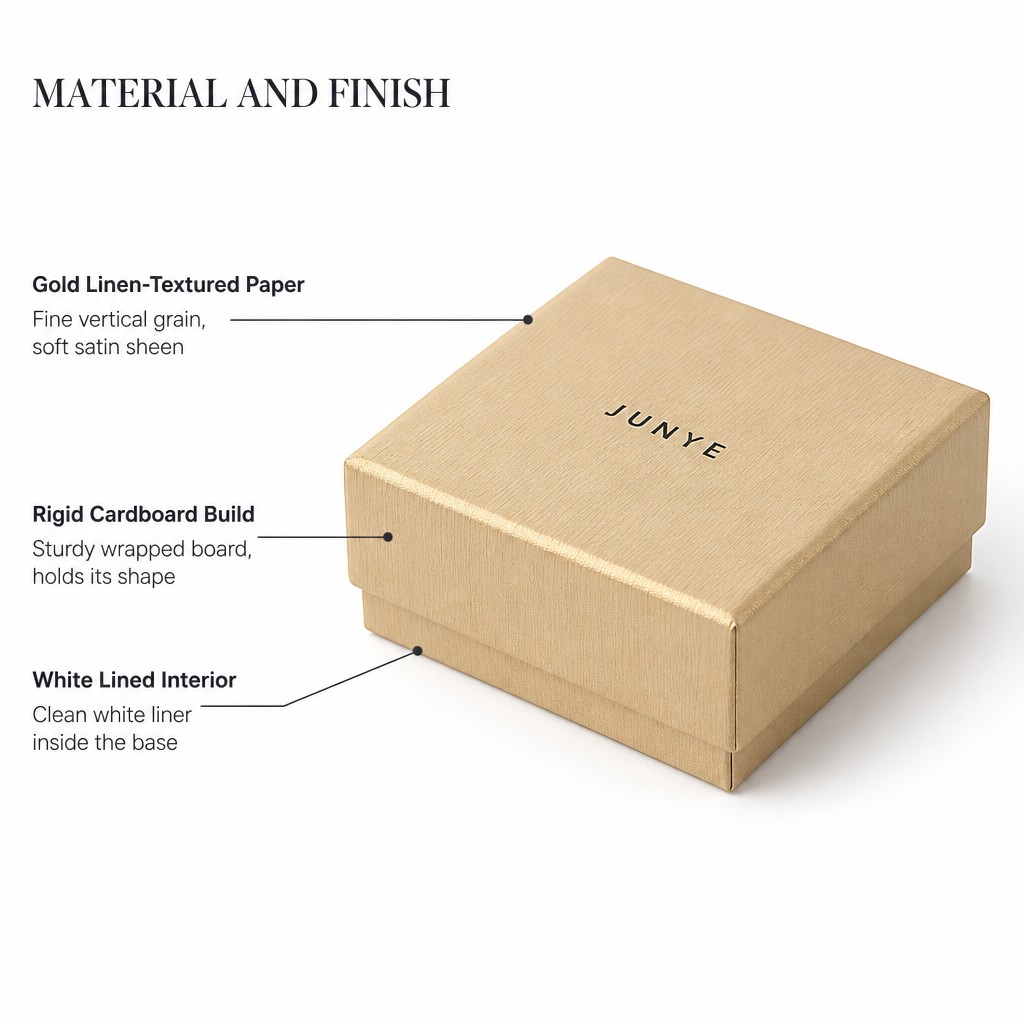
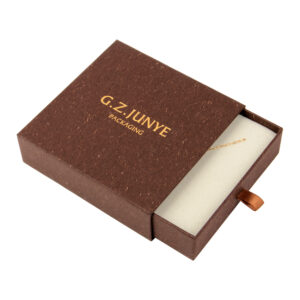
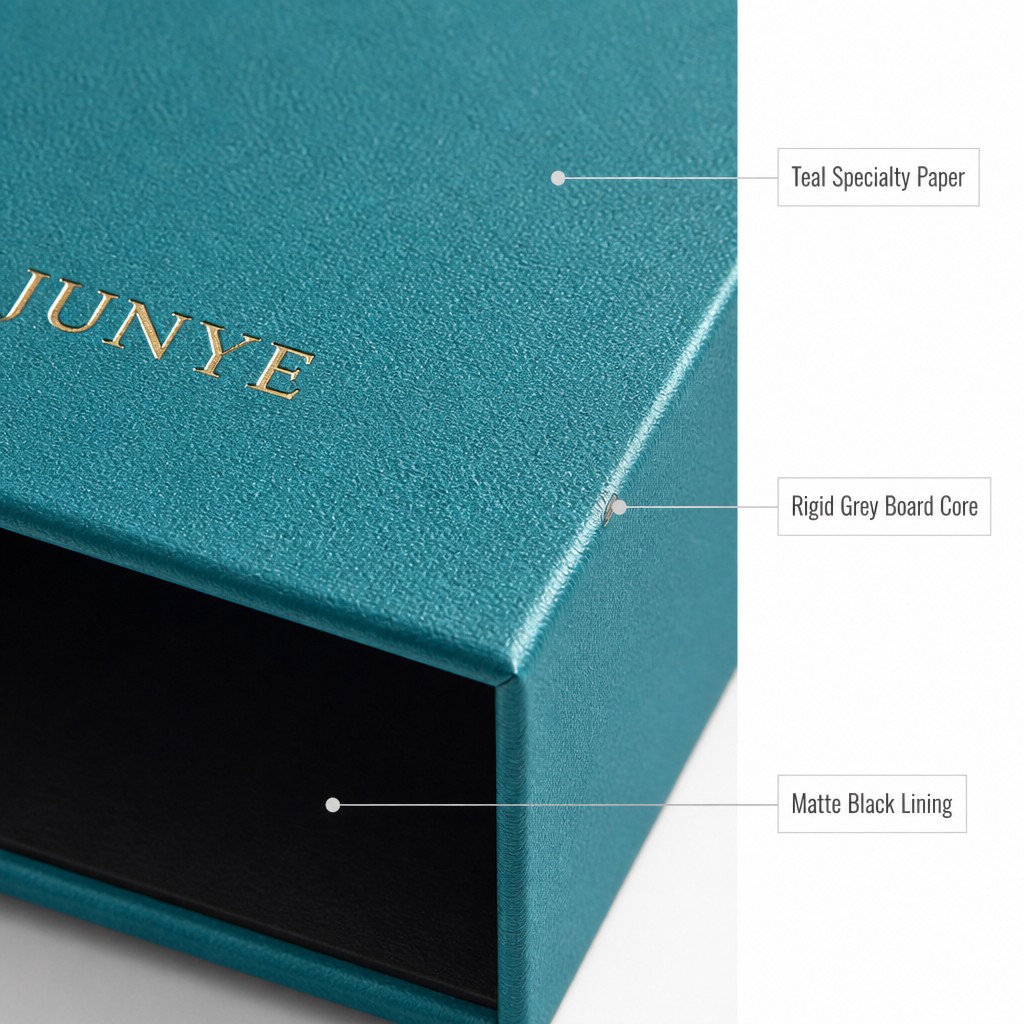
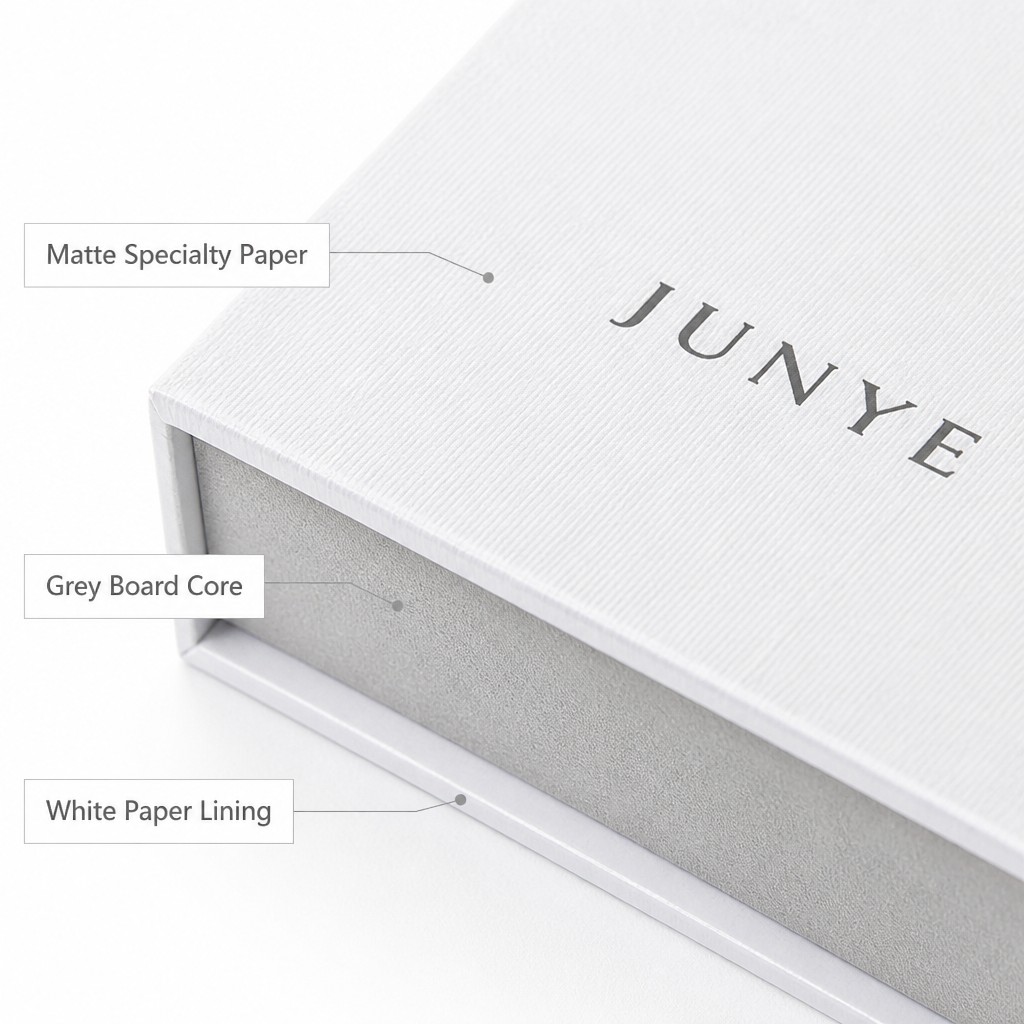
Material and finish questions buyers ask about a gold gift jewelry package: textured paper, rigid board, inserts and lead time. Samples in 5-7 days. A gold gift jewelry package is a rigid paper box, not a metal or foil box. The gold surface is fine textured specialty paper wrapped over rigid gray board, the interior is lined in white, and the logo is added by foil stamping, screen printing, embossing or UV. Below are the five misunderstandings we see most often in buyer enquiries, with what the material and the process actually do. This is the most common one. A box described as gold is not plated, not metal and not covered in gold foil. The body colour comes from the wrap: a specialty paper with a fine vertical grain and a soft satin sheen, laminated over the board. Turn the box in your hand and the tone shifts with the light, which is why it reads as a metal finish in photographs. Gold fine textured specialty paper, wrapped and folded around rigid gray board. The texture runs in one direction, so the grain has to be kept consistent across every panel and across the whole batch – this is one of the checks we run on the production line, because a reversed grain is visible once two boxes sit side by side.

Q1: Do I need to pay extra for custom designs or just plain Tea Bag Paper Box? Plain Stock Boxes: We do NOT recommend this for tea brands. The cost savings are minimal (maybe 5-8%), but the product looks generic and struggles to stand out on retail shelves or e-commerce sites. Custom Printed Boxes: We offer Free Design Support. If you send us your logo file (AI/PDF), our team will adjust it to fit the die-cut template at no extra charge. You only pay for the physical printing plates mentioned above. Q2: How much does shipping cost for these boxes? Are they heavy? A: This is an important question for your landed cost calculation. Weight: Paper packaging is lighter than you might think. A carton of 1,000 flat-packed tea boxes usually weighs between 15kg – 22kg (depending on paper thickness). Volume: We pack boxes flat (unfolded) to save 60-70% on shipping volume compared to shipping assembled boxes. Advice: We can provide a precise shipping estimate via FedEx/DHL or Sea Freight once the final dimensions and quantity are confirmed. Q3: Is there a way to lower the cost without sacrificing the “Premium” look?