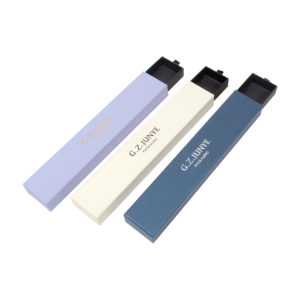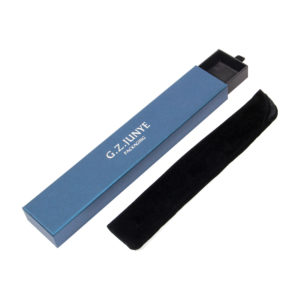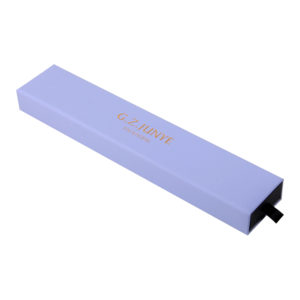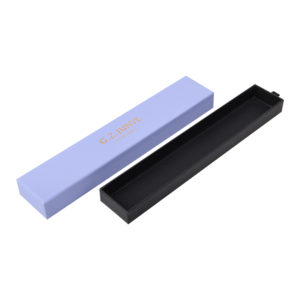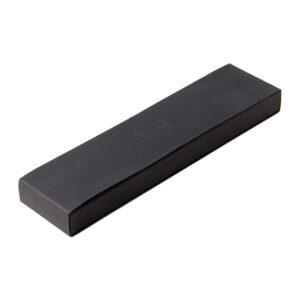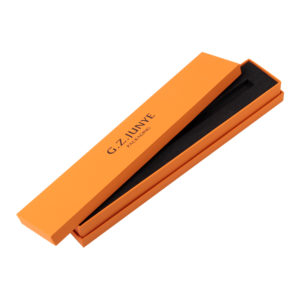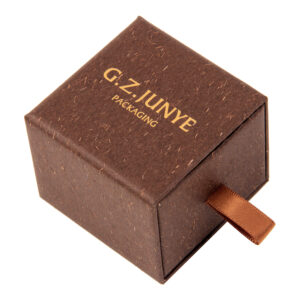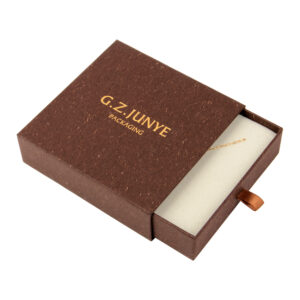
A one-way drawer box opens by pulling the tray out of a sleeve — one direction, no lid and no hinge. The tray is stopped inside the sleeve, so it cannot come free in normal handling. Most of what buyers get wrong about this format comes down to five assumptions, and they are worth clearing before a die is cut.
A One-Way Drawer Is Not a Downgraded Two-Way Drawer
The single-end sleeve is often read as the cheaper version of a box that opens from both ends. It is a different construction rather than a reduced one. A one-way sleeve has three closed walls and one open face, which makes it the stiffer of the two: the closed back acts as a stop, and there is only one opening to keep square.
What the sleeve looks like from the inside
Inside the sleeve there is no track, no runner and no magnet. The tray is a plain rigid box that is slightly smaller than the sleeve, and the clearance between them is what decides whether the movement feels smooth or loose. That clearance is a tolerance on the die, not something added at assembly.
| Assumption | What actually happens |
|---|---|
| One opening means a weaker box | Three closed walls, so the sleeve resists twisting at least as well |
| The tray falls out if you pull hard | The closed back stops the tray inside the sleeve |
| Both ends are just one cut | A two-way sleeve is a separate construction with two open faces |
| One opening limits the print area | The logo face always lands the same way up |
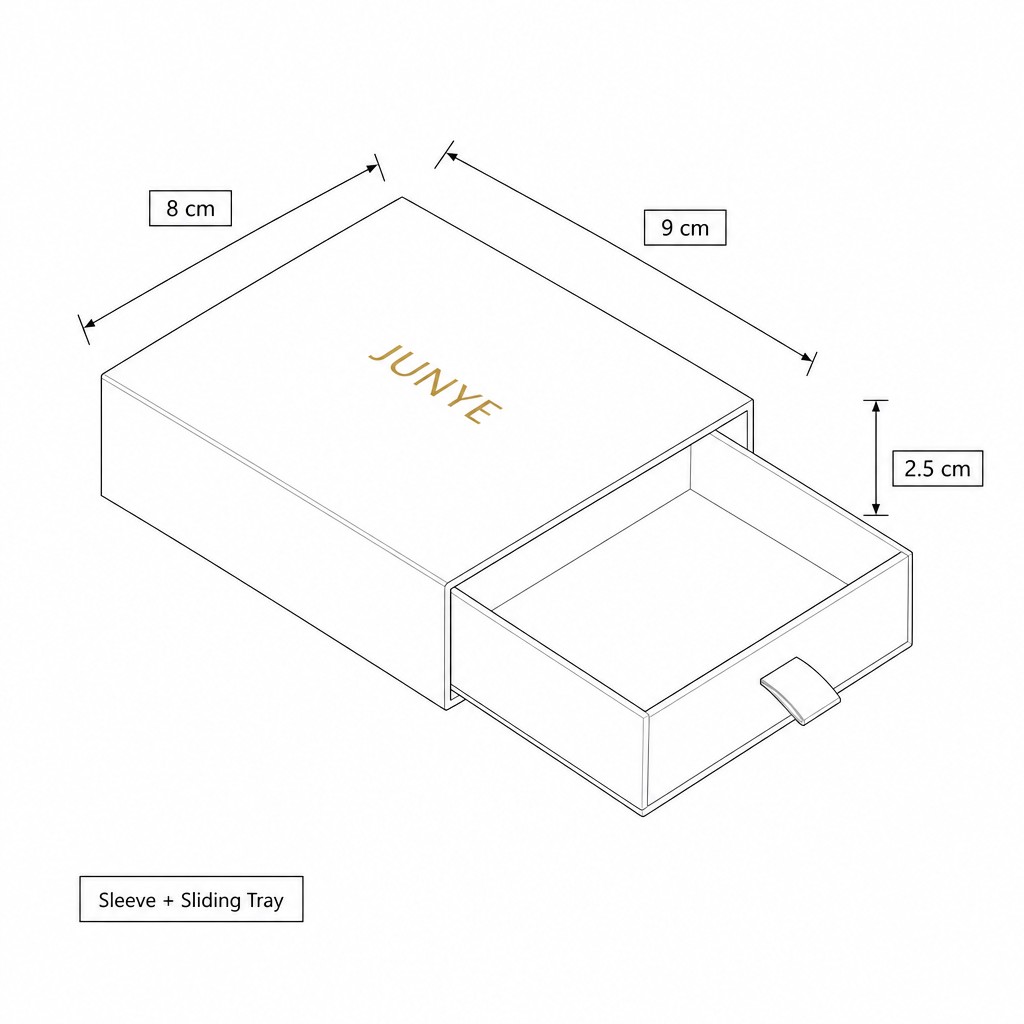
If the display really does need the tray out of either end, specify it that way and the sleeve is built as a two-way drawer jewelry box from the start.
You Cannot Pull the Tray All the Way Out
This is the assumption that causes the most surprise at sample stage. A drawer box is not a matchbox: the tray does not have to travel free of the sleeve to be used. Standard travel leaves part of the tray inside the sleeve, which keeps the piece centred and stops the whole interior being on show at once.
What that means in practice is a shorter throw. The piece has to sit within the part of the tray that clears the sleeve edge, so an insert that reaches the very back of the tray is working against its own travel. Draw the slot towards the front of the tray and the reveal stays clean. The same rule is built into every black single drawer jewelry packaging box we quote, in both the black 8 x 12 cm format and this one.
A 2.5 cm Tray Is Shallow — and That Is the Point
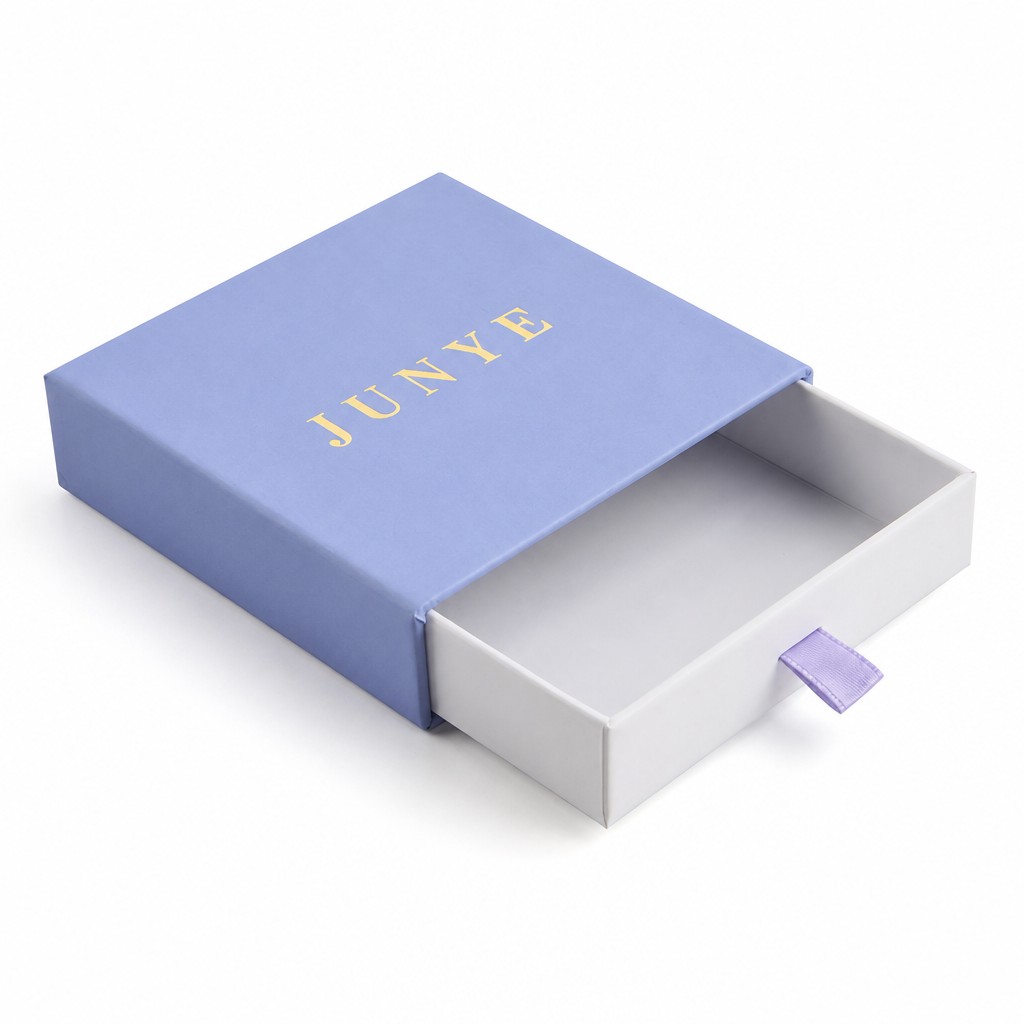
Depth reads as quality until you have to photograph the piece inside it. A deep tray hides a bracelet at the bottom and forces the camera to look down into a well. At 2.5 cm this tray is shallow and wide, so a bangle or a folded chain lies flat at a single level and is visible the moment the drawer clears the sleeve.
When a deep box is the wrong box
A deep box earns its depth when the piece stands up, when several pieces stack, or when the piece is shipped inside the box as its own mailer. A flat bracelet presentation is none of those. Choosing depth you do not need costs board, costs freight and makes the product look smaller inside its own packaging.
Where extra depth is genuinely needed, it comes from the insert: a platform lifts the piece until it sits level with the tray edge, and the tray itself stays low.
The Insert Does Not Have to Be Glued In
A fixed insert is not a mark of quality, it is a mark of a decision made early. On this format the tray is quoted empty on purpose, because the cut depends on a piece we have not measured yet. Send the outline of your bracelet or bangle and the platform is cut to that shape; approve it and the same cut runs with the batch.
EVA, sponge and velvet: what each one does
| Insert | Behaviour | Choose it when |
|---|---|---|
| Die cut EVA | Dense, holds a sharp outline | One piece per box, cut to an exact shape |
| Sponge pad | Softer, walled cavity | The piece needs a lip above it |
| Velvet platform | Flat fabric face | Display pieces that sit on top |
| None fitted | Plain tray floor | The presentation is the tray itself |
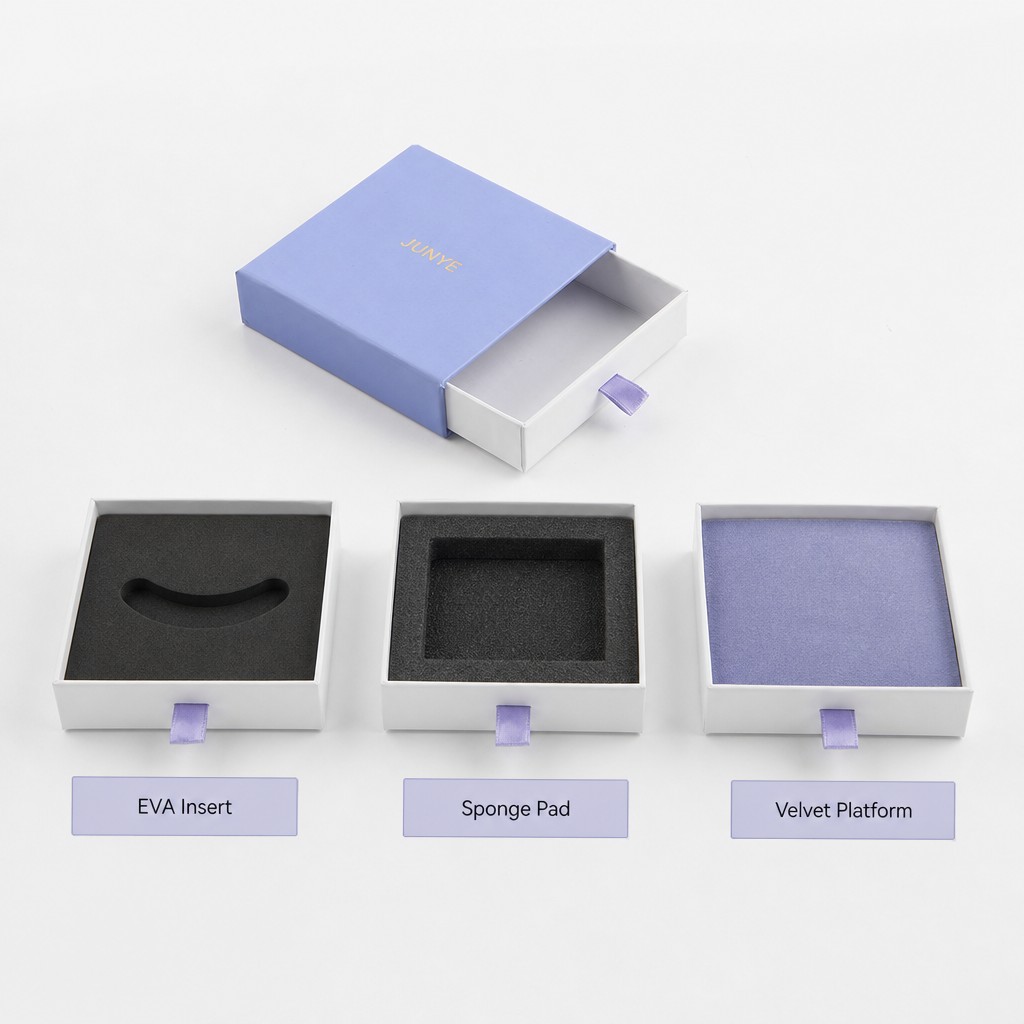
All three fit the same tray, and none of them has to be decided at the same time as the sleeve. The ordering sequence and the numbers to send are set out in our note on jewelry drawer packaging insert.
Two Ends Is a Different Box, Not a Different Cut
Buyers who want more options often ask for the back of the sleeve to be opened as well. That is not a trim on an existing die. Opening the second face removes the stop that keeps the tray captive, so the sleeve has to be rebuilt with a different internal structure and the tray usually gains a pull at each end.
On a drawer jewelry box the result is a box that is read from both sides, which suits a shared counter or a piece that is presented from the customer side. It also means the tray can be reversed after packing, so agree the orientation before the sample is signed off.
Five Checks to Run Before You Approve a Sample
None of these needs equipment, and all five are worth doing on the trial piece rather than on the first carton.
1. Pull the tray with two fingers and feel for a bind; it should travel smoothly and stop at the closed back. 2. Look at the gap between tray and sleeve at both long edges; if one side is visibly wider, the die needs attention. 3. Check the ribbon pull lies flat when the box is closed. 4. Place the piece in the slot and confirm it sits level rather than riding up at one corner. 5. Put the box in a protective sleeve and shake it gently, then open it and look for movement marks on the piece.
Questions We Get About One-Way Drawer Boxes
Does the tray come out completely?
No. Standard travel keeps part of the tray inside the sleeve, which keeps the piece centred. A tray that has to lift out entirely is a different product.
Can the same box be made to open from both ends?
It can be made as a two-way box, but as a separate construction rather than a modification. Ask for it as its own line item.
Is a 2.5 cm tray strong enough for a bangle?
Yes. Strength comes from the board in the tray walls and floor, not from the interior depth. A shallow tray with a die cut platform carries a bangle without flexing.
What are the order quantities and lead times?
Standard sizes start from 300 pcs, a custom size from 500 pcs per size and custom logo printing from 1,000 pcs. Sampling takes 5 to 7 days and bulk production 18 to 25 days after approval.
Ordering a One-Way Drawer Box
Send the outline of the piece with measurements, the quantity band and a colour reference. What comes back is a cutting drawing for the sleeve and the insert, a 3D view and a physical sample, and you sign off the sample rather than a file. A sketch is usually enough to begin, and the free sample is the fastest way to see the movement for yourself.