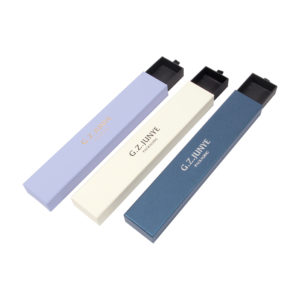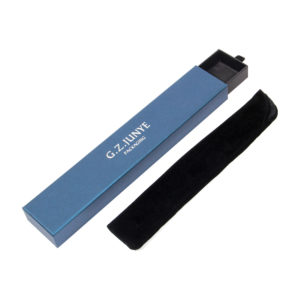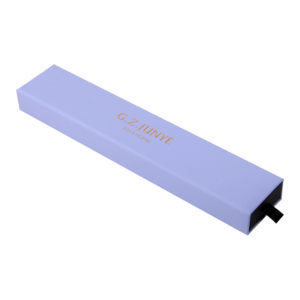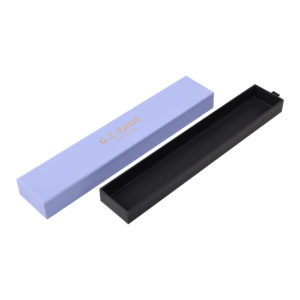
The Difference Starts at the Corner
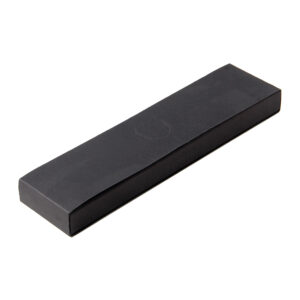
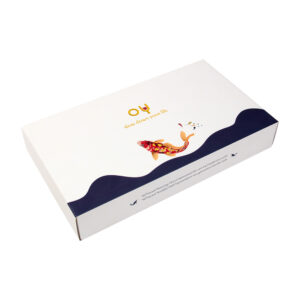
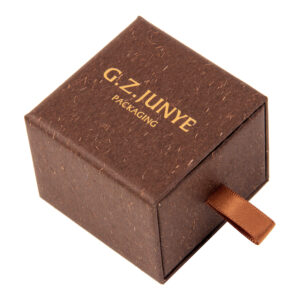
Put a folded board gift box and a grey board box side by side and the corner tells you which is which before you pick either one up. The folded box closes its corner with a mitre: two cut edges from the blank fold toward each other and meet. The board box cuts the corner straight, so you see the thickness of the material at the section.
| Folded board | Grey board | |
|---|---|---|
| Wall | Single ply, folded | Board wrapped in paper |
| Corner | Mitred, closed by the fold | Straight cut, shows thickness |
| Weight | Light | Heavy and bulky |
| Opening edge | Inward folded rim (lid and base) | Cut edge or wrapped edge |
| Best for | Outer packs, presentation, gifting | Heavy or rigid retail boxes |
What a Grey Board Box Costs in Weight
Grey board is a dense, recycled board. It is the right material when a box has to be rigid in the hand or survive being stacked, and it is why a heavy retail box feels the way it does. The cost is weight: board walls plus the paper wrapped around them add up on every unit, and on an outer pack that ships in volume, weight is the bill.
Mitred Folds: Where the Strength Comes From
A mitre does not need glue to hold its shape in the way a taped corner does. The fold itself closes the joint, and the two walls brace each other at 90 degrees. That is also why the corner looks sharp: there is no tab and no raw edge to hide. 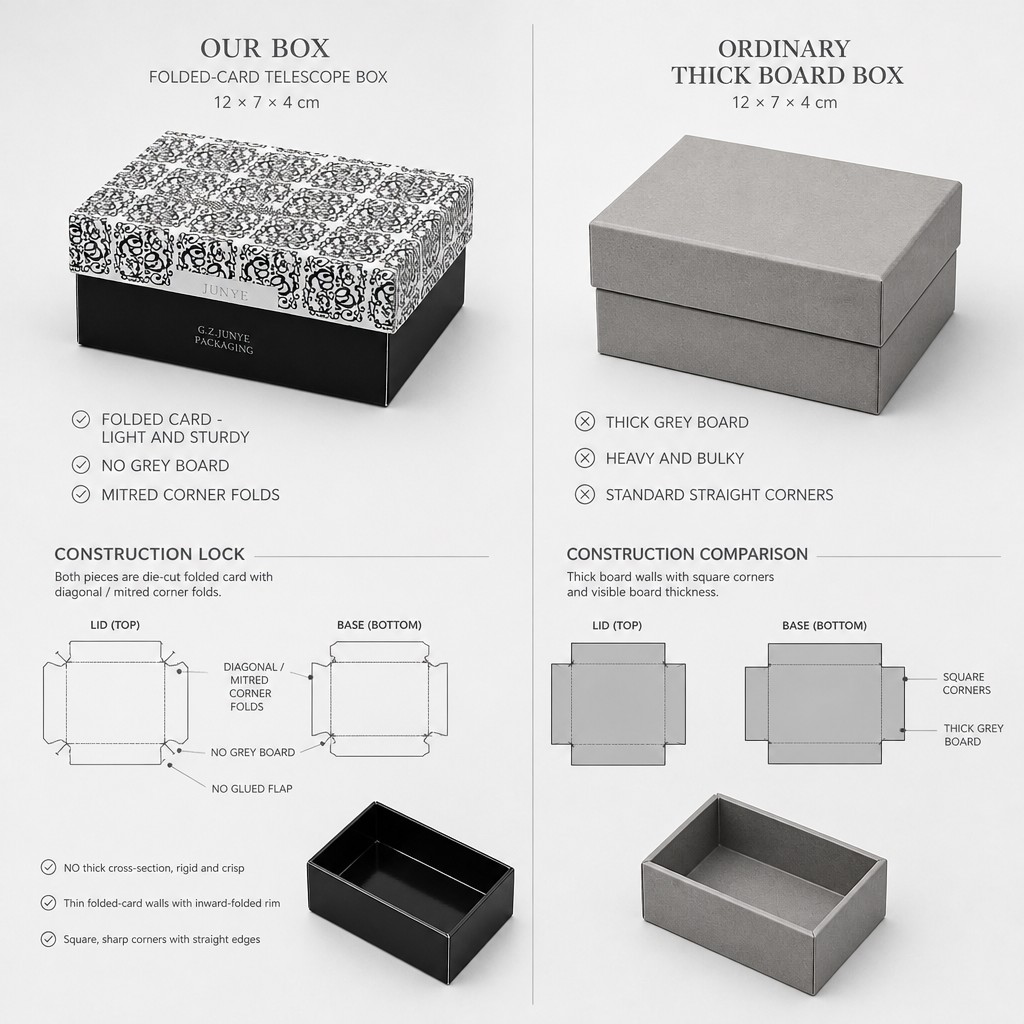
Why a Thin Wall Still Holds Its Square
A single ply wall sounds flimsy, but the geometry does the work. Once four walls are folded up and their corners are closed, the box is a closed ring and the ring resists bowing. The failure mode is not thinness in general; it is a wall that is tall and unsupported, which is why depth matters more than ply count. 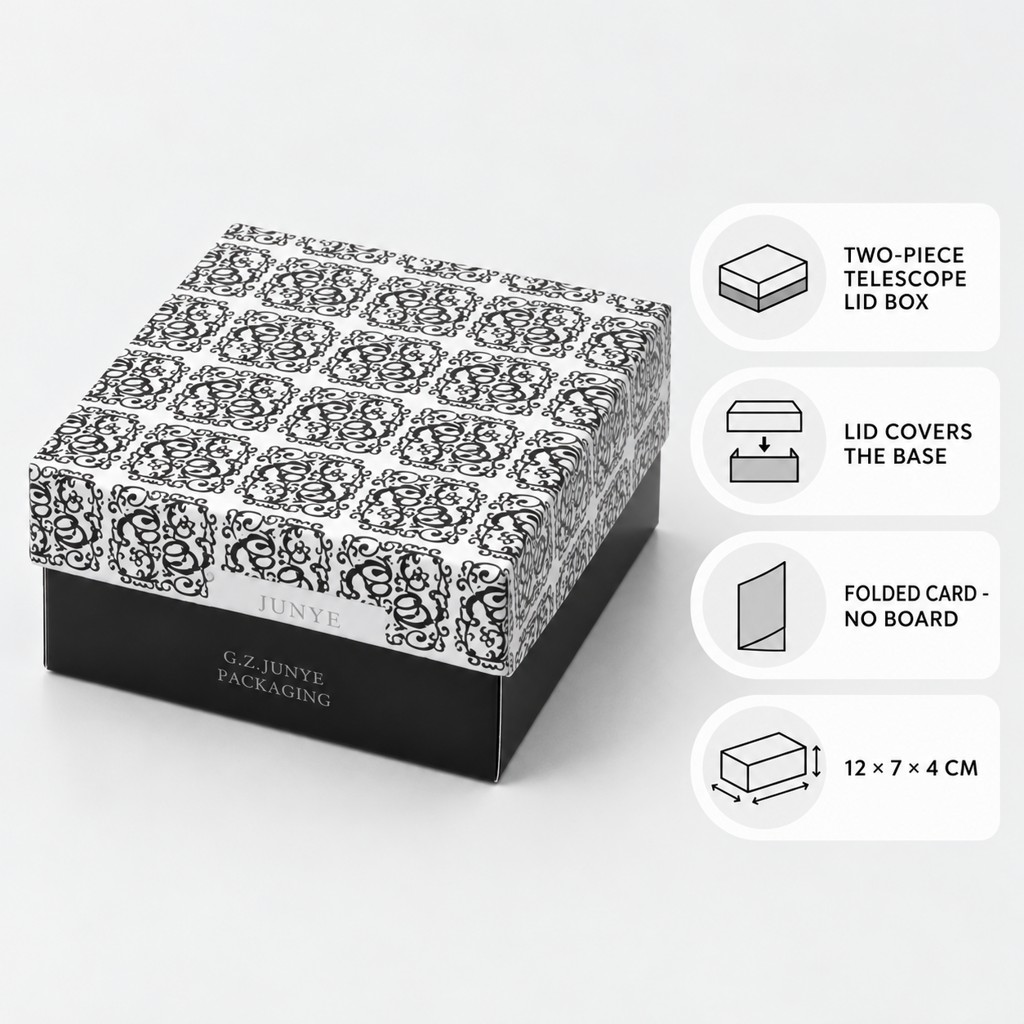
The Lid Skirt and the Overlap That Seals It
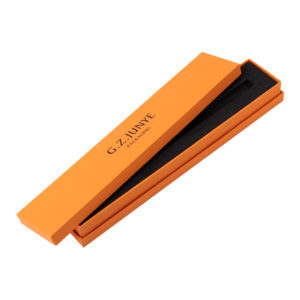
The lid skirt is the part that wraps down over the base. Too shallow and the lid lifts off when the box is tilted; deep enough and the lid holds by friction without ever locking. On a soft lid the skirt also has to be stiff enough to keep its line, because a soft lid with a floppy skirt reads as a collapsed box even when nothing is wrong with it.
| Lid skirt depth | How it behaves | When to choose it |
|---|---|---|
| Shallow | Lifts off with one hand | Flat, wide boxes |
| Medium | Holds by friction, still loose | Most stock boxes |
| Deep | Grips the base more firmly | Tall or heavy contents |
When Grey Board Is Still the Right Answer
There are cases where the folded gift box is the wrong call. If the contents are heavy, if the box has to stay square under stacking, or if the brand promise is a heavy unboxing, board is the material that delivers it. The honest rule is that folded board wins on lightweight outer packaging and grey board wins on rigidity and weight.
Three Places a Folded Box Goes Wrong
The construction is simple, which means the mistakes are predictable.
Failure one: a lid skirt that is too shallow
The lid lifts off on the first tilt, so the box reads as loose even when the fit is correct.
Failure two: corner cuts that leave a gap
If the diagonal cuts are short, the corner closes with a visible slit that catches light.
Failure three: print that cracks on the fold
Ink laid over a tight fold breaks along the crease, which is why detailed artwork belongs on the lid face and not across the base rim. 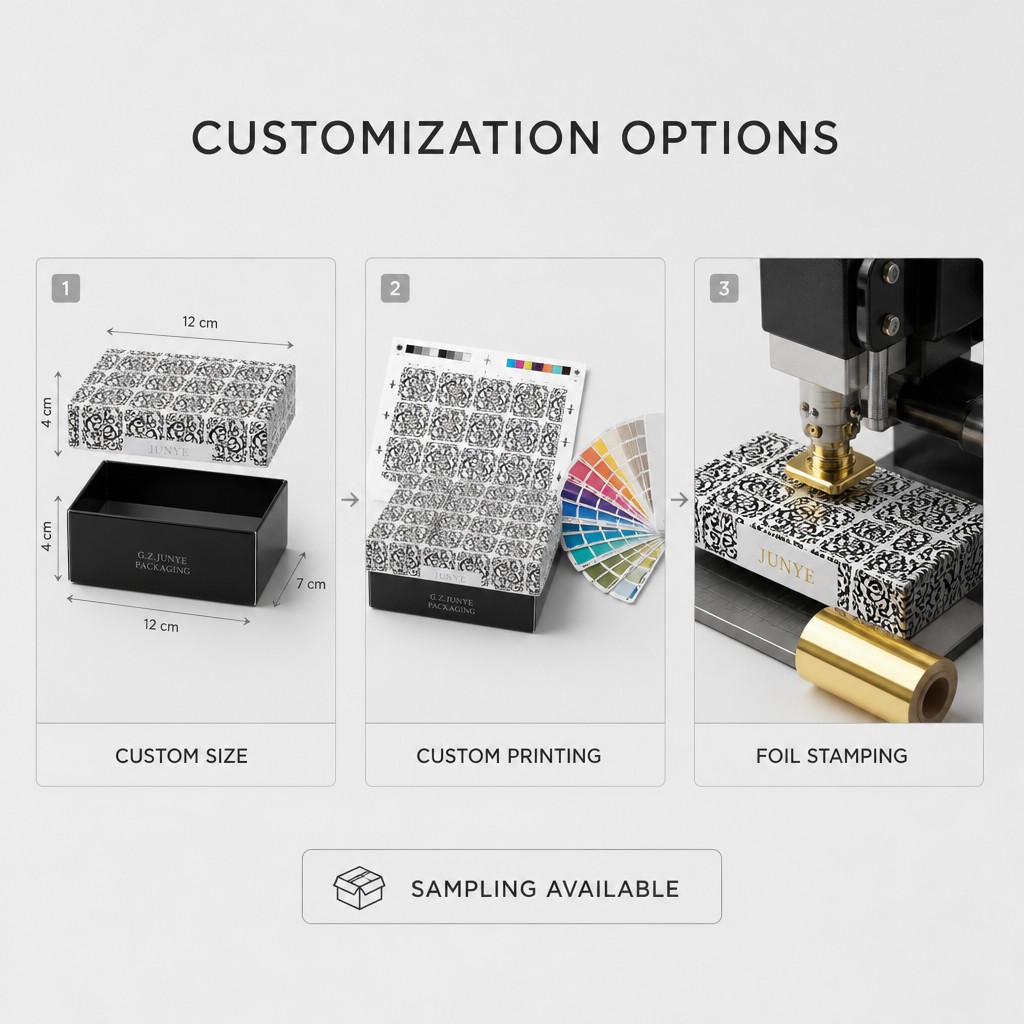
How to Specify One
Four decisions fix the drawing, and once they are set the die can be cut and a sample made. If you want to feel the flat proportions in the hand first, a sample request is the fastest route; the FAQ answers the rest, and the workshop can quote straight from a drawing.
What to send us
Outer size, print file, the number of colours on the base, and whether an insert is needed: a slotted insert tray keeps pieces apart, a plain pad is the default. With those four, the die and the sample follow.
| What to send | Why it matters |
|---|---|
| Outer size | Sets the die and the lid skirt depth |
| Print file | Sets the artwork position on the lid face |
| Base colour count | Sets the number of passes on the base |
| Insert, if any | Changes the usable internal depth |