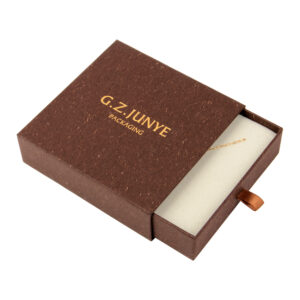
Two Pieces, One Wrap
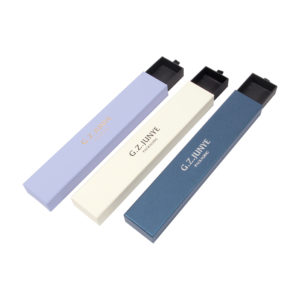
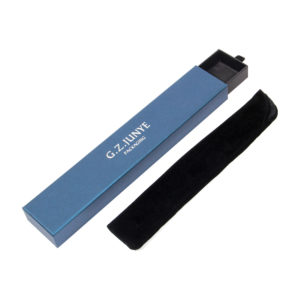
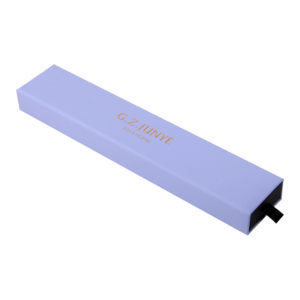
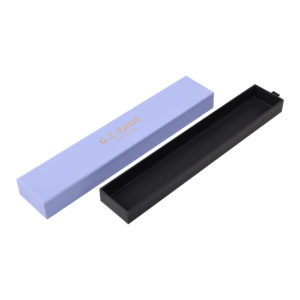
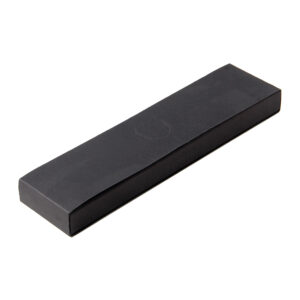
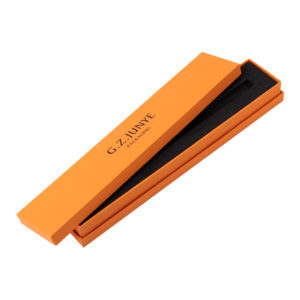
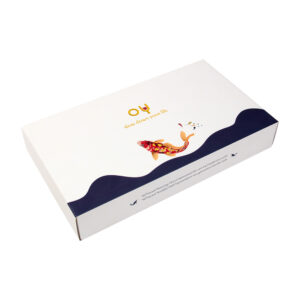
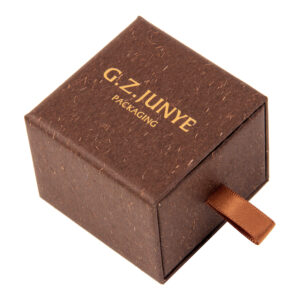
A rigid box lid and base construction is two board shells that are wrapped separately and then pushed together. The lid is a top board with four walls; the base is a floor with four walls. Neither half folds shut, and neither half needs a hinge, because the lid simply drops over the base.
What Greyboard Gives a Box That Thinner Stock Cannot
Greyboard is dense and it holds a shape. A wall made from it stands straight under its own weight, and a corner made from it keeps its angle because there is material behind the fold. Thinner stock does not have that reserve, so it bows and rounds. On a small gift box the difference is mostly visible at the corner.
Corner Taping and the Square That Survives
Before the paper goes on, every corner is taped. The tape is the reason the shell is square before it is wrapped, and it is why the corner stays square afterwards.
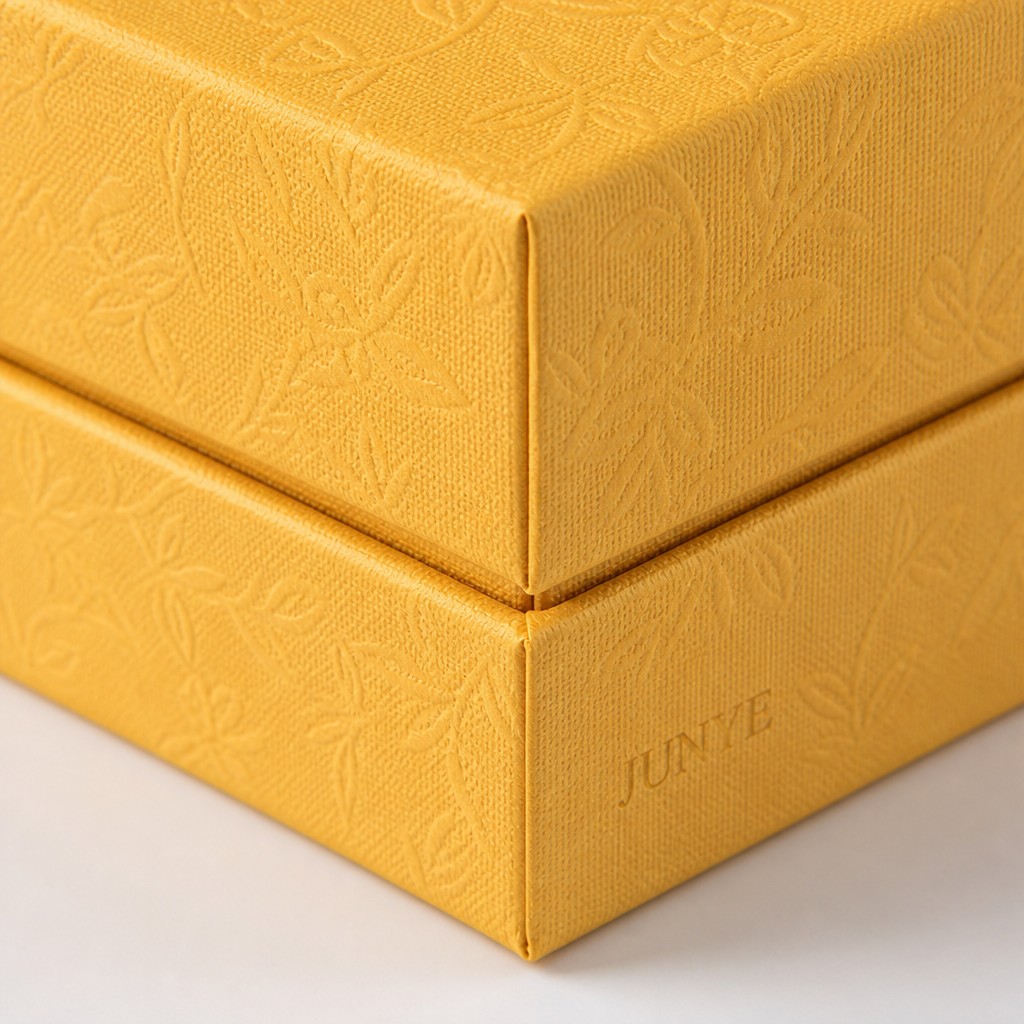
When a corner fails on a rigid box it is almost always the wrap lifting, not the board moving.
Turned In at the Mouth: Where the Gold Edge Comes From
The wrap is not cut at the rim. It carries over the mouth and folds inward.
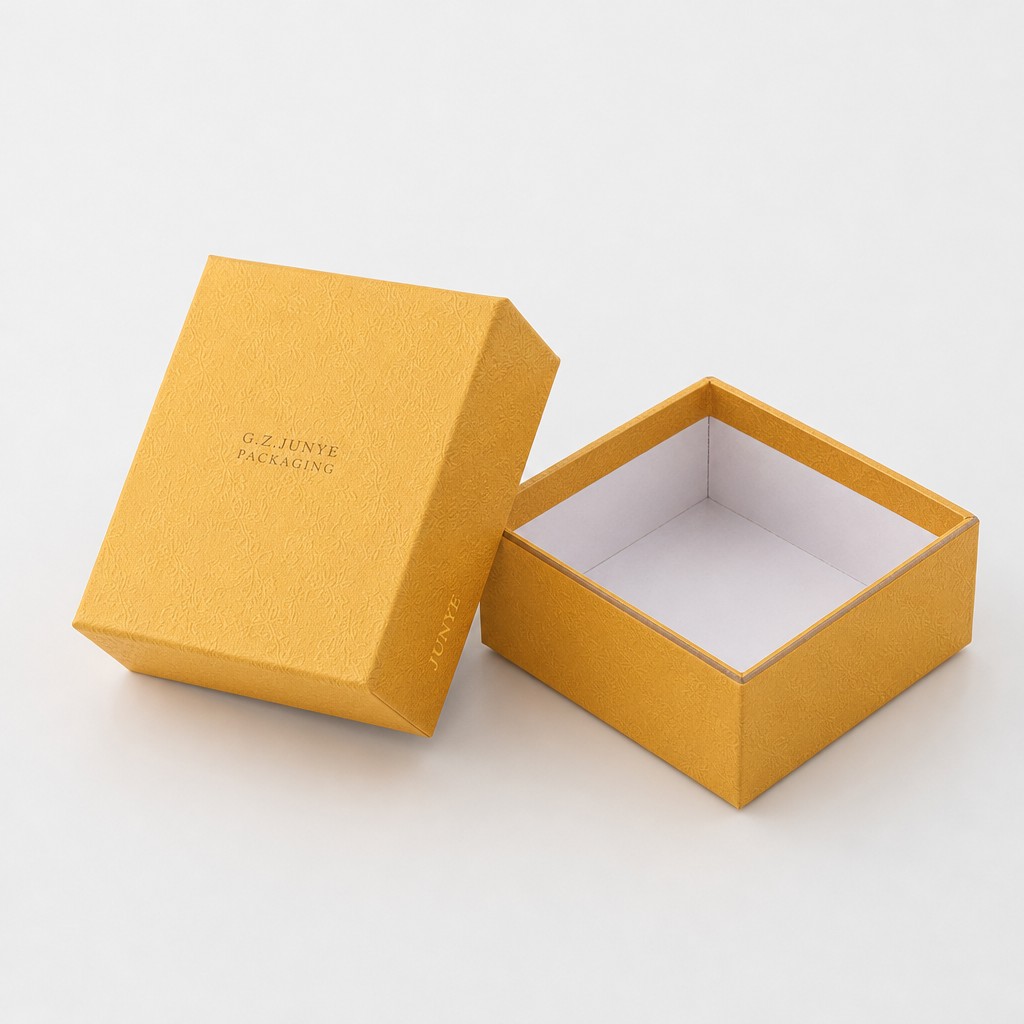
That fold is what produces the finished edge you see when the box opens. A turned-in mouth also takes the wear: the two halves rub at the rim every time the box closes, and paper folds survive that better than a cut board edge.
| Turn-in depth | What it does | When to use it |
|---|---|---|
| Shallow | A thin finished edge | Fine paper and light boxes |
| Medium | Covers the board edge fully | Most rigid boxes |
| Deep | A visible inner band | Where the inside is part of the design |
Reading the Step: Where the Lid Stops on the Base
On a closed box the lid stops partway down the base. Where it stops is a design decision with a mechanical consequence: a deeper lid needs a looser fit to clear the base walls, and a loose fit is heard as a rattle when the box is handled. A shallower lid fits tighter and shows more of the tray.
| Lid stop point | Fit | What it shows |
|---|---|---|
| Higher | Loose | Less of the tray, more chance of rattle |
| Middle | Firm | The common retail proportion |
| Lower | Tight | More of the tray, harder to open one handed |
White Liner Paper and the Floor It Covers
The liner is a separate sheet, wrapped into the tray and folded into the corners. It covers the floor and the walls, so nothing raw is visible inside, and it gives light contents a plain background.
Where a Rigid Lid and Base Box Loses Its Square
Three faults account for most rejects on this construction.
Failure one: a wrap that lifts at the corner
Adhesive laid too thin at the corner lets the paper spring back, and the lifting edge then catches on the other half.
Failure two: a mouth turned in too tightly
A turn-in that pulls hard on the board bows the wall inward, and the lid then rubs on the way down.
Failure three: a liner pasted over a soft floor
A floor that flexes under the liner shows a crease line across the inside within a few hundred units.
Why This Construction Runs Faster
Rigid lid and base boxes cover more products than any other shape we run. The tooling, the wrapping routines and the turn-in stations are all in daily use, so a repeat order rarely waits on a new technique, and the workshop can quote a realistic date from the drawing.
What to send for a quote
Outer size, paper and embossing, liner colour, and the print file with its colour count. With those four the die and the sample follow, and a sample request is the fastest way to hold one first.
| What to send | Why it matters |
|---|---|
| Outer size | Sets the die for both halves |
| Paper and embossing | Sets the surface and the wrap direction |
| Liner colour | Sets what the open box shows |
| Print file and colour count | Sets the passes on the top face |