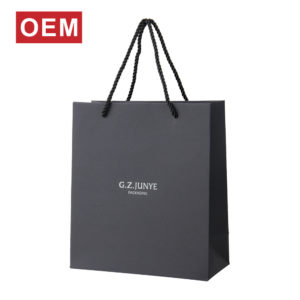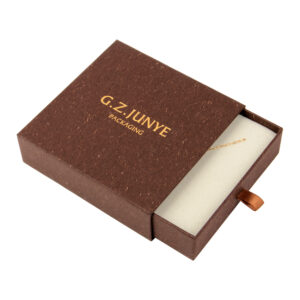
Many people wonder if pants tag factories recommend white cardboard—a more expensive material than gray board—simply to make more money. After all, even a small price difference adds up with large quantities. But is this really about profit?
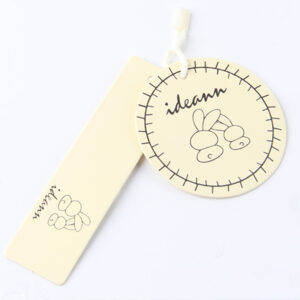
Not at all. The main reason lies in the tag’s appearance, particularly its side edge. When producing tags, factories often apply decorative paper only to the surfaces. For thin, double-layer white cardboard tags, each piece is faced with paper on one side, then glued back-to-back. This creates a clean, finished look—especially important for premium brands.
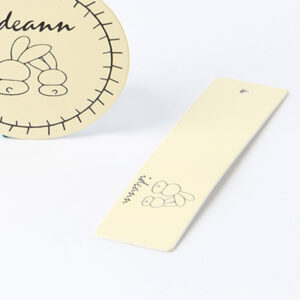
The critical detail is the exposed edge. Unlike boxes, tag edges cannot be wrapped or covered with paper due to their narrow width. If gray board were used, the unfinished gray edge would be visible, compromising the product’s quality. White cardboard ensures the edge matches the tag’s surface, resulting in a polished, professional appearance.

So when factories suggest white cardboard, it’s about quality, not upselling. It’s a detail that discerning brands notice—and a standard worth understanding in custom tag production.