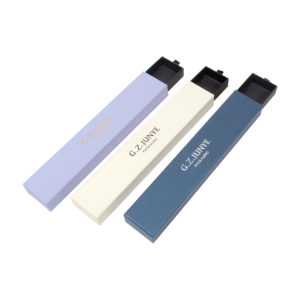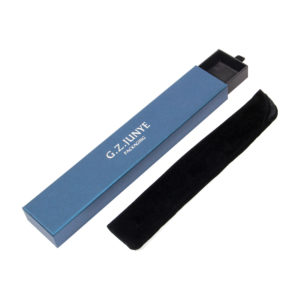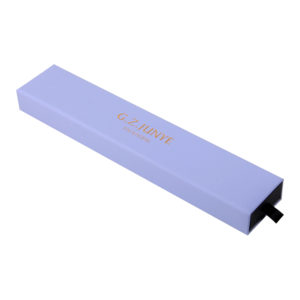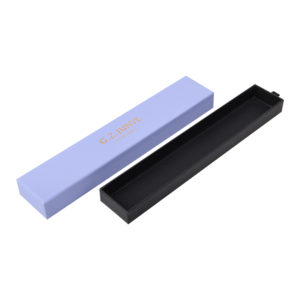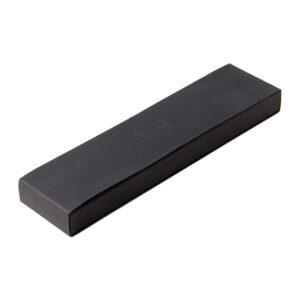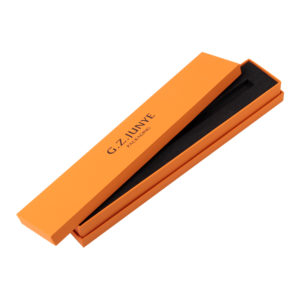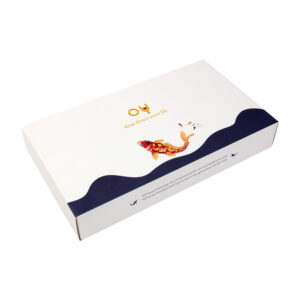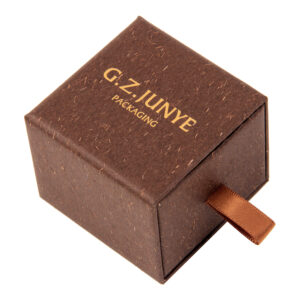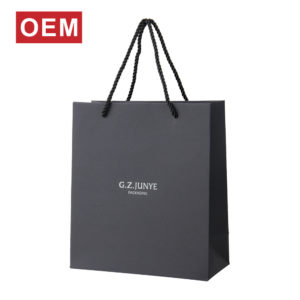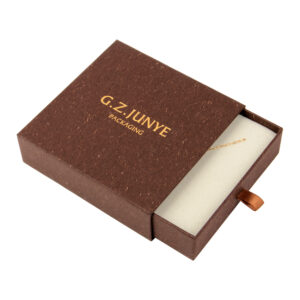
Custom Ring Packaging Paper Box today are dominated by a “paper-on-paper” structure. For newcomers wanting to understand the market, this is the mainstream trend worth knowing.
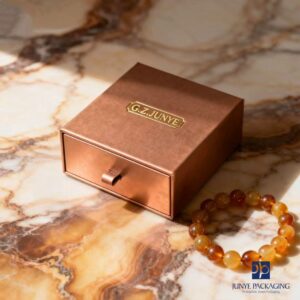
This wasn’t always the case. Early ring boxes used harder materials like solid wood, which later evolved into MDF (medium-density fiberboard). Around the year 2000, MDF was the industry leader due to its superior drying process, which gave it a strong three-dimensional form and a crisp, pleasant sound when tapped.
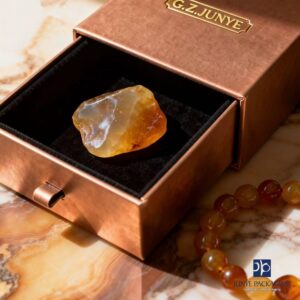
However, the rise of environmentalism shifted the market. As forest protection became a global priority, many manufacturers failed to adapt. The industry needed sustainable alternatives. Paper-on-paper construction emerged as the perfect solution. It offered lower environmental impact than paper-on-wood, was easier to recycle, and paperboard technology had finally matured enough to serve as a reliable core material. The ring box industry, heavily reliant on paper-on-wood, was quick to adopt this innovation.
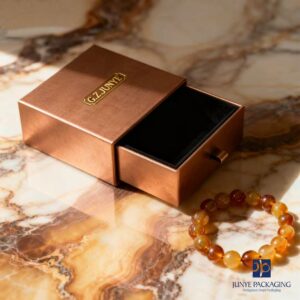
Driven by both external environmental pressure and internal material advancements, all-paper construction became the new standard. This explains why today, most ring boxes feature a two-piece, paper-on-paper structure, while older materials like plastic and paper-on-wood have gradually faded from the market.