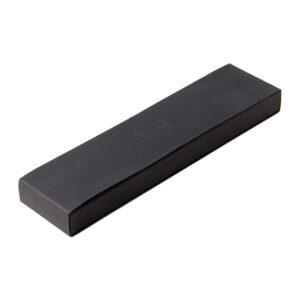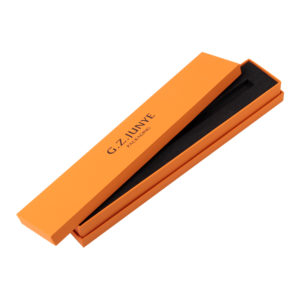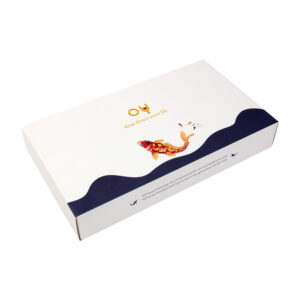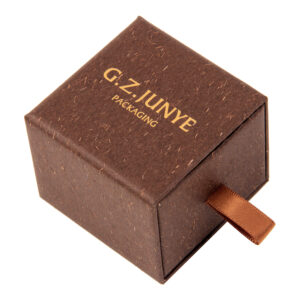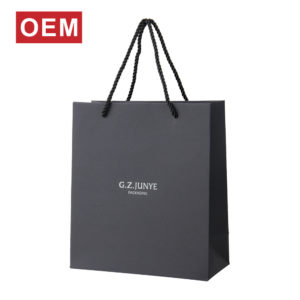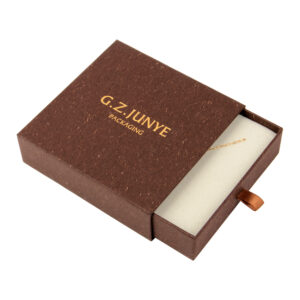
A diamond embossed paper box gets its surface before it gets its shape: the pattern is pressed into the sheet, and only then is the sheet wrapped round a board. That order matters more than it sounds. It decides how the pattern behaves at a corner, why it does not fade, and why the same box in a plain wrap looks like a different product.
What Diamond Quilt Actually Is
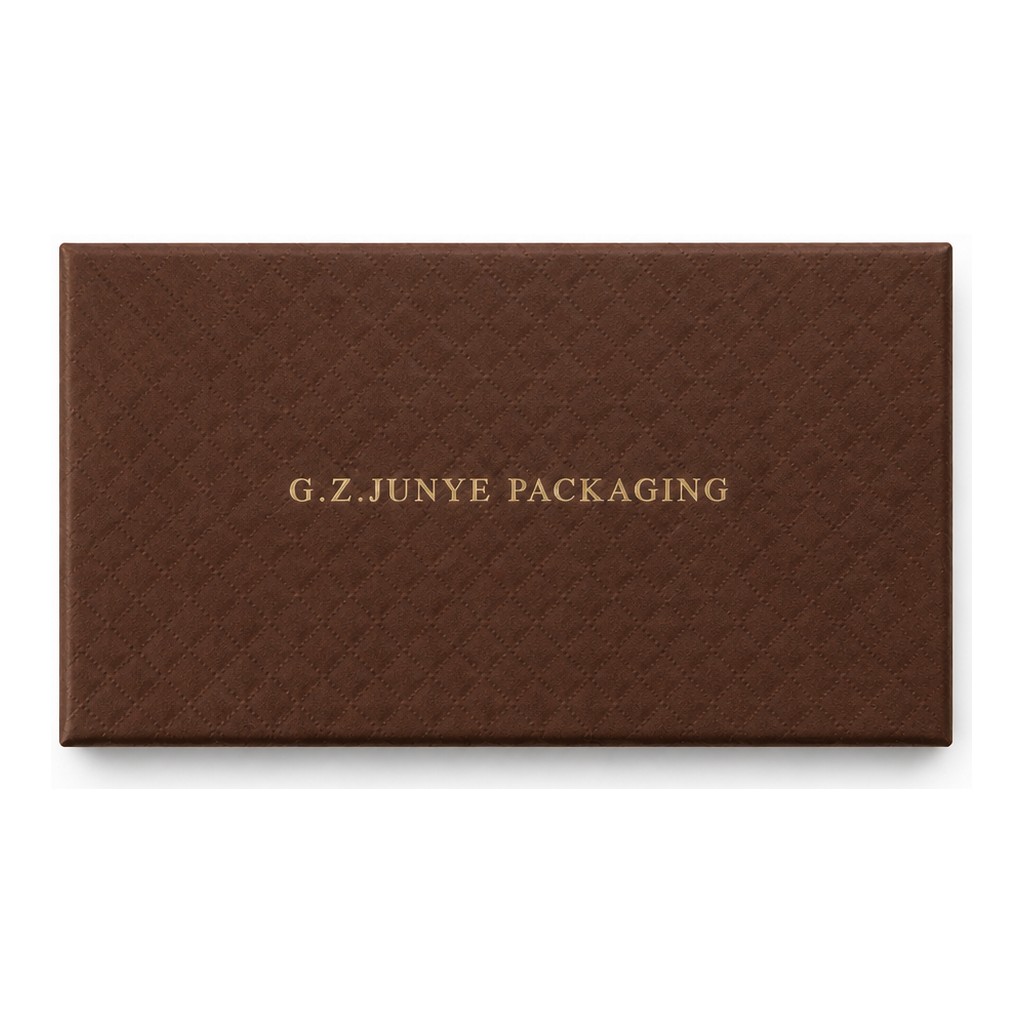
Diamond quilt is a raised diagonal grid: lines of relief crossing at an angle so the face breaks into a field of small diamonds. On a paper box it runs across the lid, down the walls and round the corners as one continuous surface, because the wrap is a single sheet turned over the board rather than a set of panels joined at the edges.
Pressed, Not Printed
The difference between an embossed pattern and a printed one is not only how it looks. A printed grid is ink on a flat surface: it has no height, and it wears at the points that take handling. An embossed grid is the sheet itself, pushed into a die, so the relief is part of the material.
| Surface | What it is | What it changes |
|---|---|---|
| Diamond quilt | a raised grid pressed into the sheet | light moves across the face as you turn the box |
| Plain matte wrap | smooth paper, no relief | the colour reads flat and the print carries the design |
| Foil stamp | metal foil pressed on top of the wrap | one mark that catches light against the paper |
| Screen print or UV | ink laid on the surface | flat colour or a gloss patch, with no height |
None of them is better in the abstract. A quilt suits a box that has to look like a material at arm’s length; a plain wrap suits one where a single printed image has to do the work.
How The Pattern Sits On A Wrapped Wall
Wrapping a board is a sequence. The sheet is cut, glued, laid on the board, and turned over the edges; at the mouth of the box the wrap goes over the rim and down the inside, so the pattern stops at the fold and the inner face shows the back of the paper. At the corners the sheet is folded rather than joined, which is why the grid appears to bend round the corner instead of breaking.
That turned-in edge is also what makes the wall read as thick. You see board, then a fold, then the inside of the box; on a folded carton there is only one thin edge and no fold at all.
The Step Is A Proportion, Not A Guess
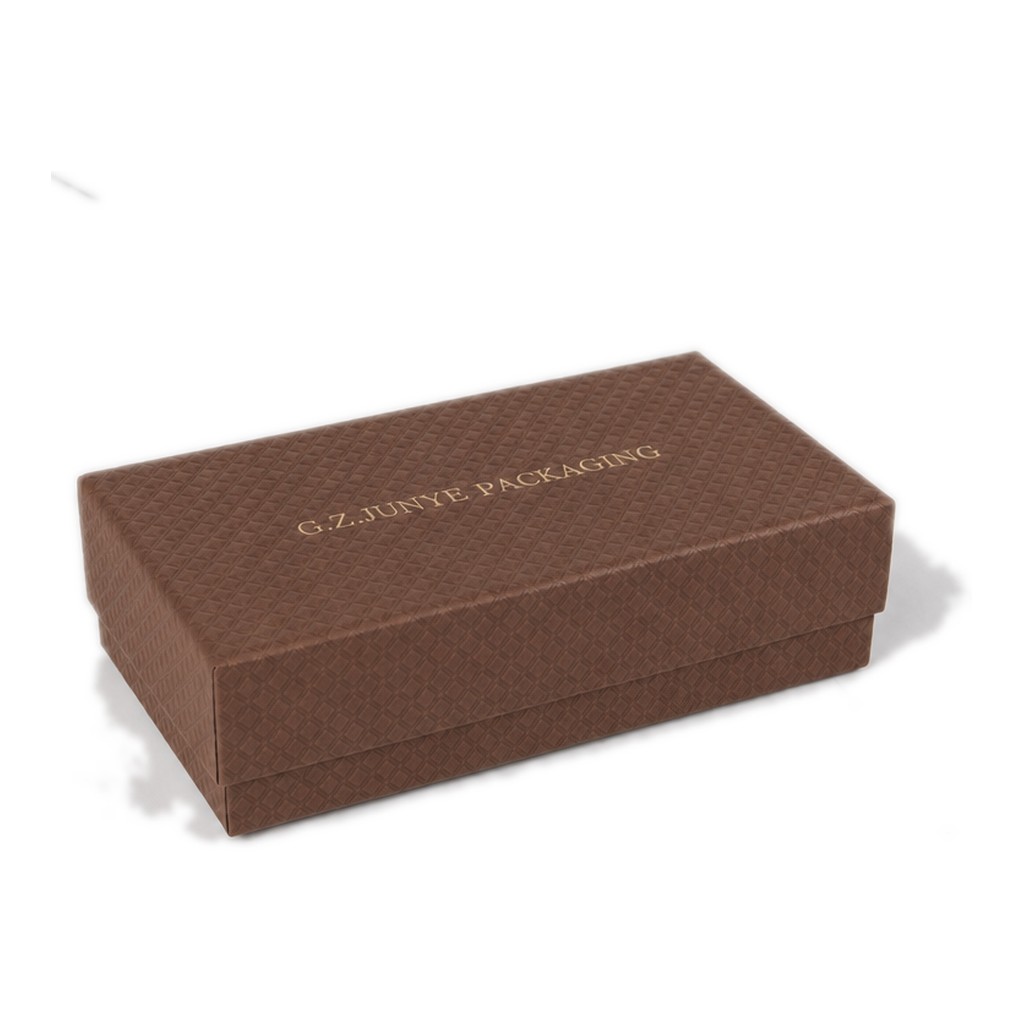
On this 14 x 8 x 5 cm box the cover runs 59% of the closed height and the tray shows for the remaining 41%. The proportion is set on the drawing, not left to the wrapping: it decides how much tray the buyer sees, where the only horizontal line on the box sits, and how much of the side face is available for print.
A deeper skirt reads as a cover with a small base under it; a shallower one reads as a tray with a lid resting on it. Both are the same construction, and the difference is a single number agreed before the dieline is cut.
Black Liner: What It Hides
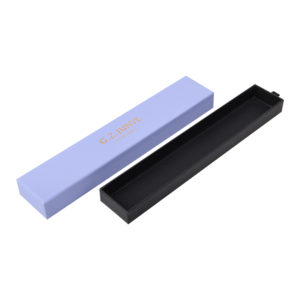
The tray is lined in black across the floor and up all four walls, folded at each corner. The liner is not decoration. It covers the board edges and the corner tape inside the tray, and it gives the product a dark bed, which is what makes a pale item look deliberate rather than dropped in.
It also sets the order of operations. The liner goes in after the tray is wrapped and before the box is packed, so a liner colour change is a late decision and a liner-size change is not.
Where An Embossed Paper Stops Working
Three cases. A quilt is a busy surface, so a detailed print on top of it fights for the same attention; if the artwork is the point, a plain wrap is the better base. Very small boxes lose the pattern, because the diamonds shrink below the relief that makes them readable. And a wrap with deep relief is less forgiving at a tight corner radius, so a box with a very small radius is usually specified with a shallower emboss or none.
Everything else is a paper decision rather than a structural one. The board, the two pieces and the step stay identical; only the sheet on the outside changes.
Same Box, Different Paper
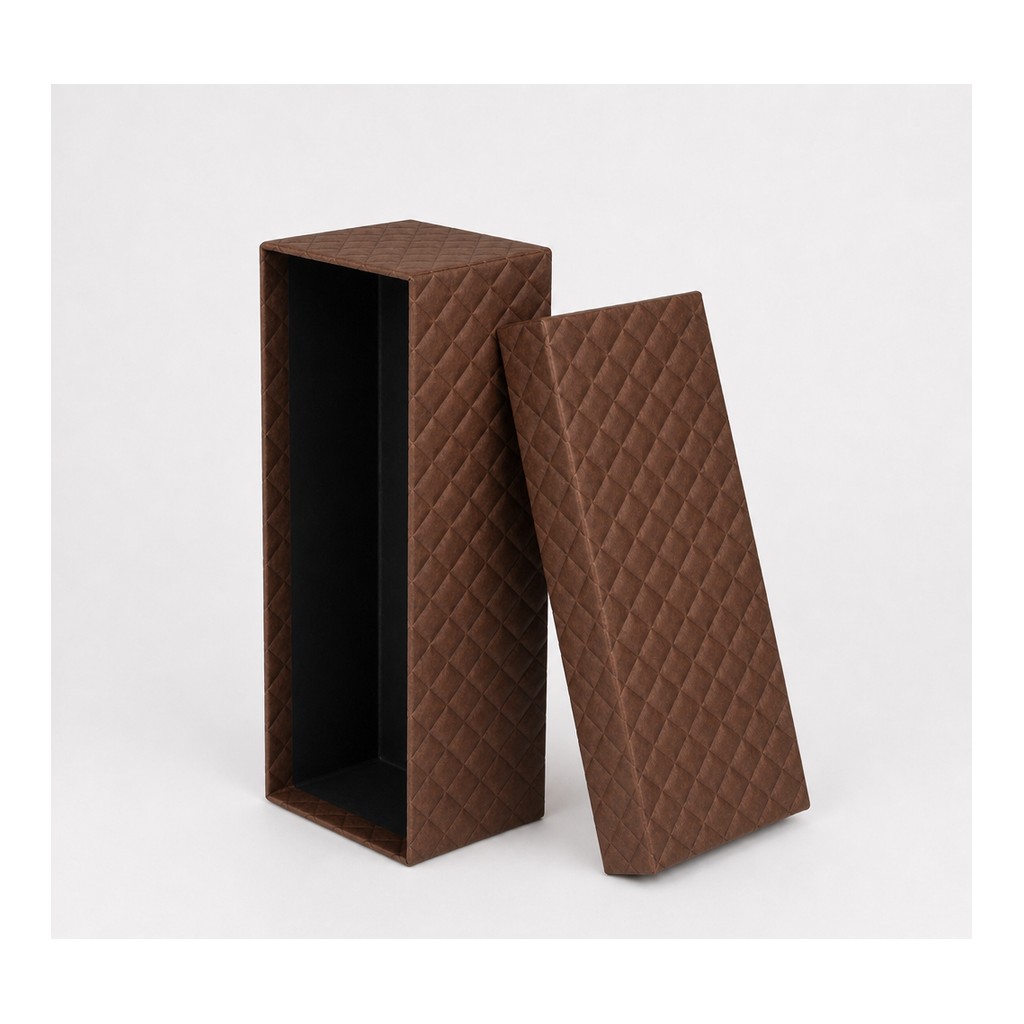
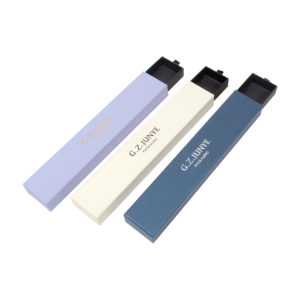
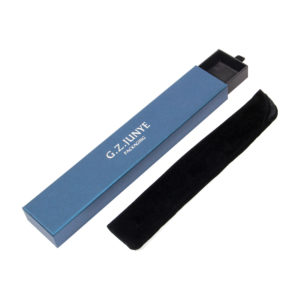
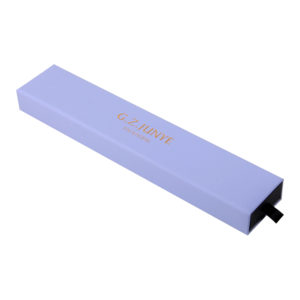
The construction in the photographs is a rigid lid and tray, wrapped in brown quilted paper with a black liner. The same drawing in a gold embossed wrap and a white liner is a different product to a buyer and the same product to the line, which is why a paper change is the simplest way to extend a range. See the rest of our paper boxes for the wraps we run most, or read how the same two pieces behave when the lid is sized deeper in a lid and base box.
Four Things To Send, And What Comes Back
Send four things: the product or its 3D file, the size you want, the paper and the emboss, and whether the tray is lined. A dieline, artwork and a 3D mockup come back free within 1 to 3 days, and a physical sample in 5 to 7 days. Bulk runs 18 to 25 days after sign-off, or 10 to 15 days on a small trial order, with DDP as the default term and FOB Nansha or EXW Guangzhou on request.
The stock size starts at 300 pcs, a bespoke size or artwork at 500 pcs per size, and printing at 1,000 pcs. Ask for a free sample and check the relief and the step in your hand before the run.