The Problem With Small
At 40 cm long, a millimetre of board is nothing. At 9 cm it is one part in forty-five of the only dimension that matters, and the effect compounds on both sides.
This is why small gift boxes fail in ways large ones never do. Not because the structure is different, but because every tolerance that is invisible at scale becomes the deciding factor.
Board Comes Out Of The Inside
A rigid box is board, folded and wrapped. The outside is the number people quote; the inside is the number the object has to live in.
On a small box the gap between those two numbers is proportionally large. Walls sit on both sides, so the usable floor is narrower than the footprint by the wall thickness twice over, and shorter by the same. The lid takes nothing from the floor, but it does take height.
Two consequences worth knowing before you choose a size:
- The footprint is not the capacity. A 9 x 5 cm box does not hold a 9 x 5 cm object.
- Height behaves differently from length. The lid skirt overlaps the tray, so interior height is always less than the outside height, and the overlap is set by the skirt, not by the board.
The Card Test
Most small gift boxes are bought for something card-shaped, and this is where the arithmetic usually bites.
A bank-card-sized card is 8.56 x 5.40 cm. A 9 x 5 cm box is five centimetres across on the outside, before any wall is accounted for. The card does not fit flat, in either orientation.
Rotating it does not help. The card’s short side is longer than the box’s long side is wide.
So if the item is a standard card, the box has to be sized from the card, not from the shelf position you want. Cards of that size need roughly 6 cm of inside width plus walls.
Commemorative and award cards are often smaller than the bank-card standard, and those do fit a 9 x 5. The point is not that small boxes are wrong. The point is that “card” is not a size.
A Deeper Lid Does Not Make A Bigger Box
When an object sits too high, the instinct is to ask for a deeper lid. It helps, but less than people expect, and it changes the look.
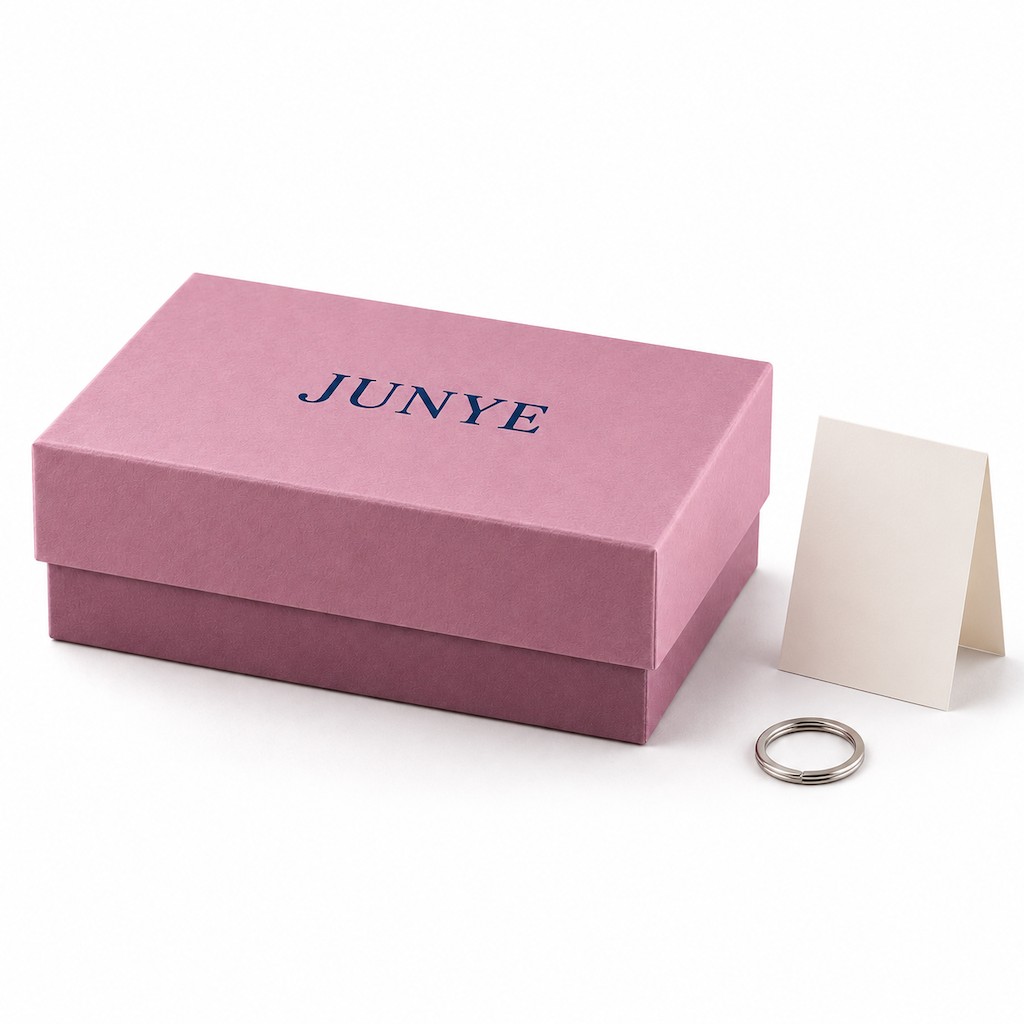
The skirt overlaps the tray. Making it deeper covers more of the tray and raises the total height, but the object still stands on the same floor. What you gain is clearance above the object; what you lose is the exposed band that makes a half-lid box read as a lid rather than a sleeve.
If the object is too tall by a few millimetres, a deeper skirt is the efficient fix. If it is too tall by a centimetre, the box is the wrong box.
Satin Holds Nothing, And That Is The Point
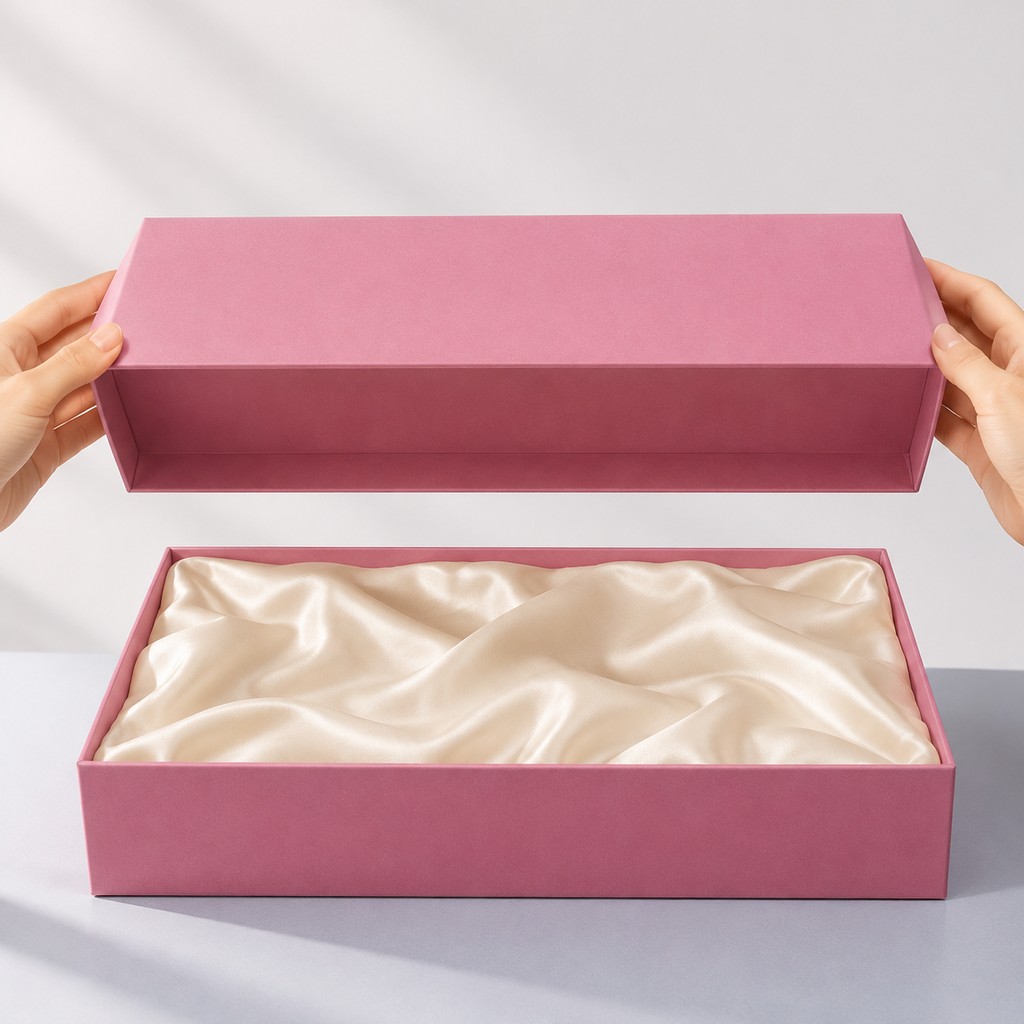
The standard lining here is one piece of satin, draped rather than cut into slots. It gathers around whatever is placed on it and throws a little light back up.
That is a presentation decision, not a protection decision. Satin does not stop movement, does not separate parts, and does not survive being asked to locate a metal object with a sharp edge.
Where satin is right: a single item, shown at the moment of opening, where the object is heavy enough to stay put and where the lid closing is the only travel it does.
Where satin is wrong: a charger plus a cable that must not tangle, two parts that must not touch, or anything shipped loose in a mailer.
Where an insert earns its cost: a fixed orientation that matters, a product that would scratch itself, or a set where a missing piece is obvious to the buyer.
The Step Is A Design Decision
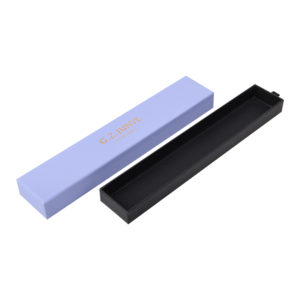
The band of tray left showing below the skirt is the cheapest way to make a small box look deliberate. It also sets the proportions the eye reads first.
At 9 x 5 the step sits close to the viewer, so any imbalance shows. Two centimetres of skirt over one and a half of tray is a ratio that reads as a lid; a much deeper skirt reads as a deep cover, and a much shallower one reads as a tray with a lid resting on it.
The ratio, not the absolute measurement, is what the eye registers. That is worth remembering when the size changes: keep the ratio and the design survives the resize.
When To Move Up A Size
Small boxes get specified for shelf reasons — they fit a display rail, they cost less to ship, they photograph well next to a hand.
There is a point where those reasons stop paying. If the object needs more than a few millimetres of clearance, if two items must be separated, or if the card is at bank-card scale, the honest move is the next size up: a long flat box at 19 x 9 cm, or a larger half lid box.
A box that is slightly too big and properly lined almost always beats a box that is exactly the right footprint and cannot close.
Three Questions Before You Specify
- What is the object’s length, width and thickness, measured with a ruler rather than remembered? Thickness at the thickest point, which is rarely the middle.
- Does it stay in the box, or is it packed at the counter? Counter-packed boxes can be tighter; travelling boxes cannot.
- Do you want the lining to present or to hold? Satin presents. Foam holds. Asking one to do both is how small boxes end up looking assembled.
Answer those three and the size usually chooses itself.
Related Reading
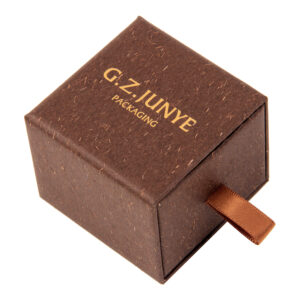
- Small paper box: the 9 x 5 x 3.5 cm box this article is about.
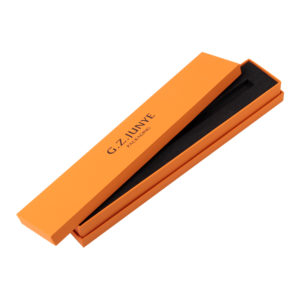
- Large paper packaging box: what the same structure looks like at 19 x 9 cm.
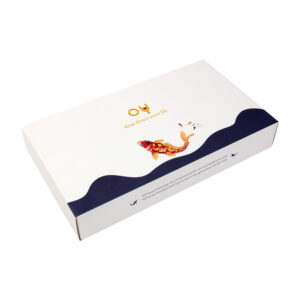
- Half lid packaging box: the larger half lid box.
- Charger box: a box built around a wall charger and cable.