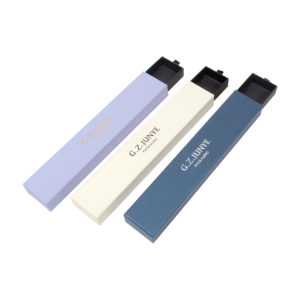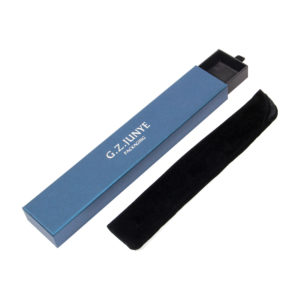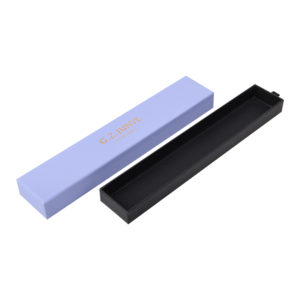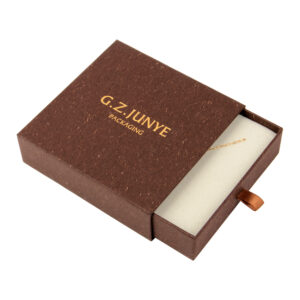
A buyer sends a bottle and asks for the box to be made deeper so the bottle will fit. Usually the box is not the problem. The lid clearance is.
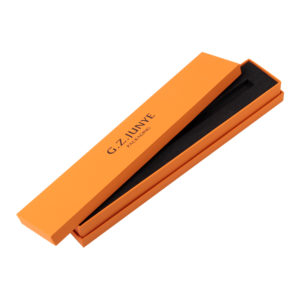
In a two-piece telescopic gift box the cover drops over the tray from above and stops when its skirt reaches the tray wall. Deepen the tray and the cover has to grow with it, the skirt stops covering the same share of the height, and the band of tray that used to show evenly all round turns into a wide gap on one side and no gap on the other. The box still closes. It just stops looking deliberate.
The Assumption
The reasoning sounds solid: the bottle is taller than the tray, so the tray must be taller. What it leaves out is that a supplement bottle is rarely a straight cylinder. It has a shoulder, a neck, a cap that is wider than the neck, and usually a label that sits proud of the glass by a fraction of a millimetre.
Take the overall height and build the tray to it, and three things go wrong at once:
- The tray comes out taller than the product line needs, so the box looks under-filled from the outside
- The cover has to grow, which changes the proportion between skirt and tray
- The bottle still moves sideways, because height was never what held it
A taller box solves a horizontal problem with a vertical answer.
What Actually Holds A Bottle
Three measurements decide whether a bottle stands still inside a shallow gift box. None of them is the overall height of the bottle.
| Measurement | What it decides | Where to take it |
|---|---|---|
| Body diameter at the widest point | How much the cavity has to grip | Across the label, not across the glass |
| Height to the shoulder | How deep the cavity floor sits | From base to where the body starts to taper |
| Cap diameter and cap height | Whether the cover can clear the cap | Cap on, measured as it ships |
The third one is the one that gets missed. A cap that stands proud of the shoulder needs vertical room above the cavity, and that room comes out of the cover, not out of the tray. It is the reason a box can look deep enough on paper and still press on the cap when it is closed.
The Right Fix: A Die-Cut Cavity
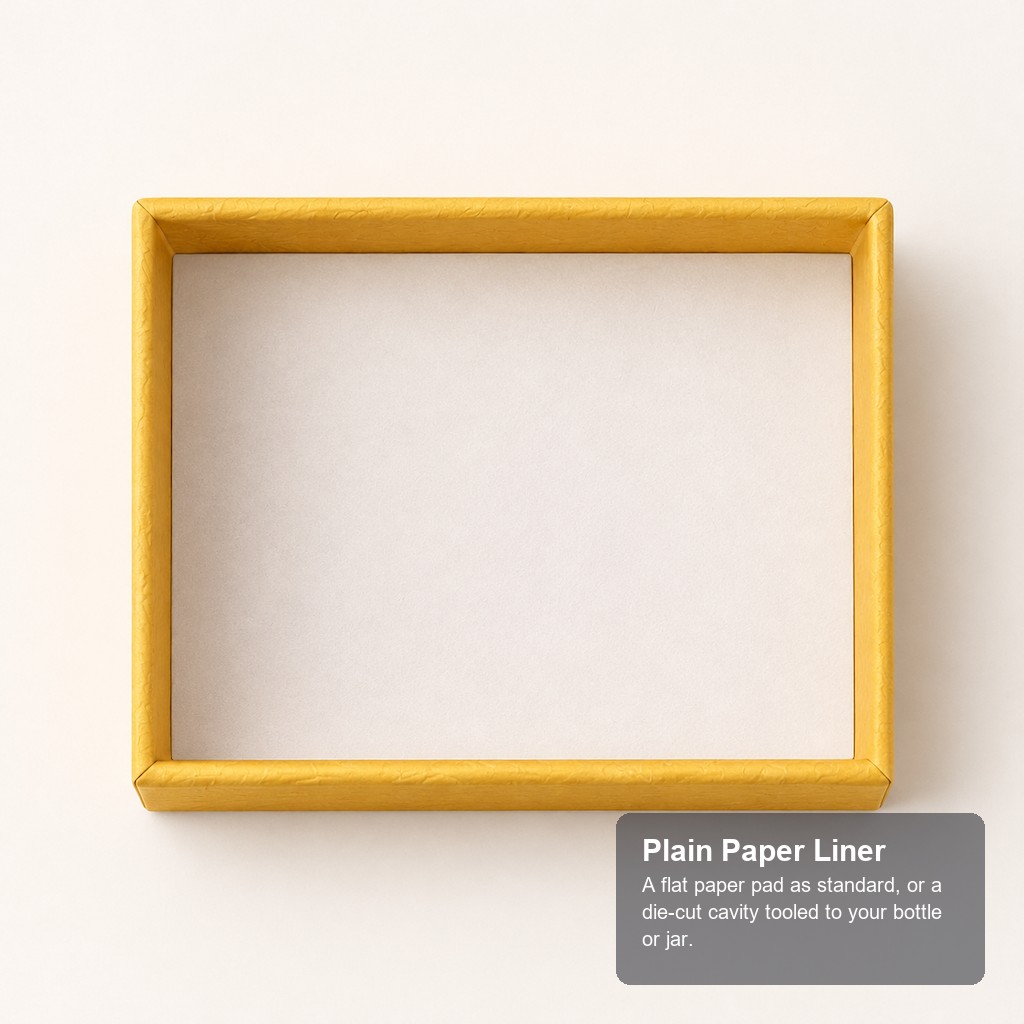
Instead of making the tray taller, cut the liner.
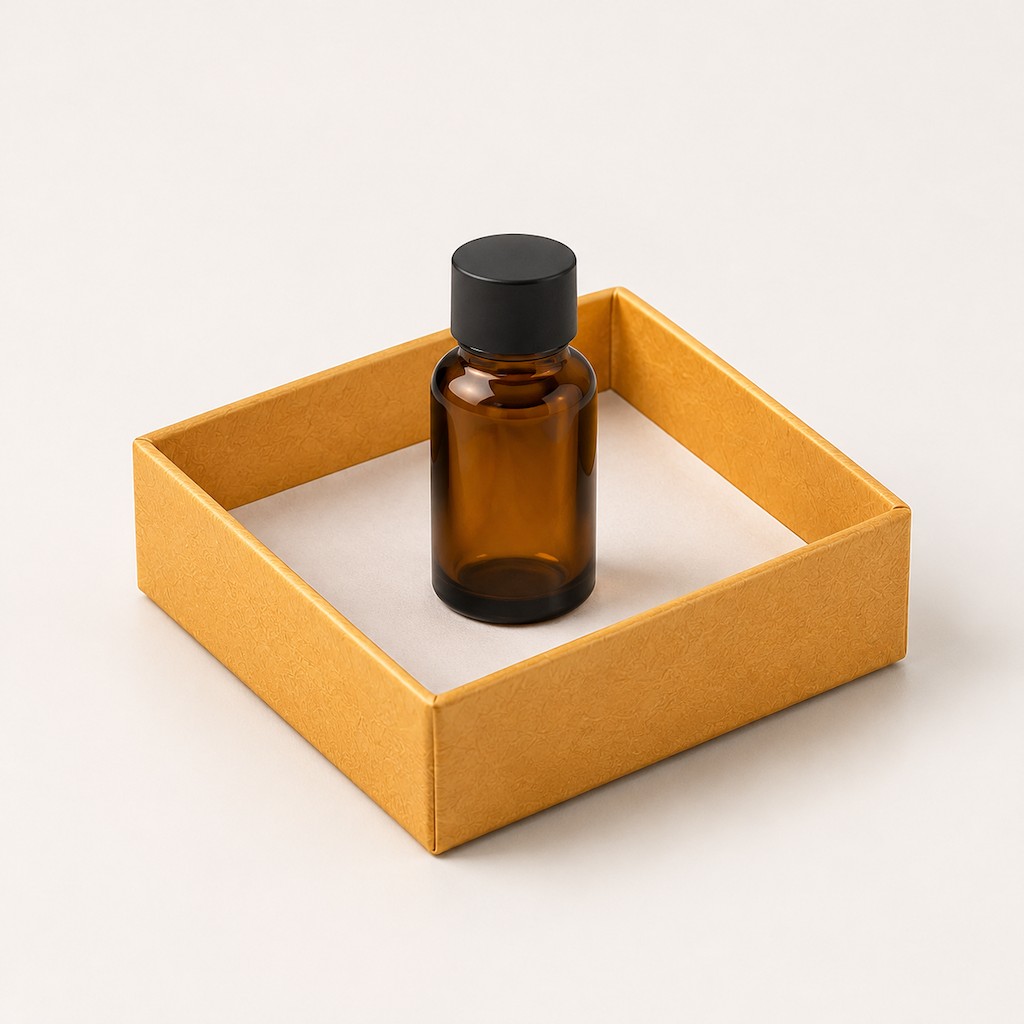
A die-cut cavity is a paper or board insert cut to the outline of the bottle, sitting inside the tray. The cavity floor holds the base, the cut edge holds the body at its widest point, and the cap sits in an opening rather than against a lid. The tray height stays where the design wants it, the skirt keeps its share of the height, and the band of base still shows evenly on all four sides when the box is closed.
What a cavity changes
- The bottle is held by its own outline instead of by the walls of the box
- The tray can stay shallow, so the box keeps its proportion
- The cover clears the cap because the cap sits lower in the assembly
- A second cavity can be added beside the first for a second bottle, a scoop or a card
What a cavity does not fix
A cavity will not make a tall bottle fit a shallow box if the bottle itself is taller than the interior. Measure first. If the body height exceeds the tray interior plus the cover’s clear depth, no insert will help, and the answer is a different proportion rather than a deeper version of the same box.
When A Deeper Box Is The Right Answer
There are cases where depth is correct, and it is worth saying so plainly.
- Multi-piece sets. A bottle plus a jar plus a leaflet needs vertical stacking, and stacking needs depth.
- Bottles with a pump or a dropper. The actuator is tall and cannot be pressed down in transit; the box has to carry that height.
- Protective clearance for glass. A heavy bottle in a thin-walled tray needs a buffer above the cap, and the buffer takes space.
- Retail shelf presence. A tall box reads as a gift on a shelf where a shallow one reads as a sample.
In those cases the proportion has to be redesigned rather than stretched: the skirt share, the liner and the cavity all move together. That is a new dieline, not a revised one.
Reading A Sample
When the pre-production sample arrives, check these in this order. The first two take a minute and catch most of the problems.
1. Cap clearance. Close the box with the bottle inside and press the cover down. It should stop on the tray edge, not on the cap. 2. Even band. Turn the closed box in your hand. The strip of tray below the skirt should be the same width on all four faces. 3. Sideways movement. Shake gently. If the bottle moves, the cavity is cut too loose at the widest point of the body. 4. Label contact. Check the label where it meets the cavity edge. A cavity cut to the glass will mark the label. 5. Liner seat. The cavity should sit flat on the tray floor with no rocking.
If the sample fails at step one, the fix is the insert or the cover depth, not the tray height.
What To Send Us
For a supplement bottle gift box, the useful starting point is not the box size. It is the bottle: a photo with a ruler alongside, the body diameter across the label, the height to the shoulder, and the cap diameter with the cap on. Add the number of pieces per box and whether the bottle ships filled or empty.
From that we can say whether the box you have in mind will work as it stands, whether it needs a cavity, or whether the proportion has to change.
Our quality system is certified to ISO 9001:2015, registration ZYC24Q00141R1S. We have been making paper packaging since 2004, with prepress, sample making and assembly under one roof in Baiyun, Guangzhou.
Related Reading
- Gold gift paper box, 11 x 9 x 4 cm — the shallow two-piece box this article is measured against.
- Half lid packaging box — the same closure on a smaller footprint.
- Health care packaging box — what to check before a wellness range goes to print.