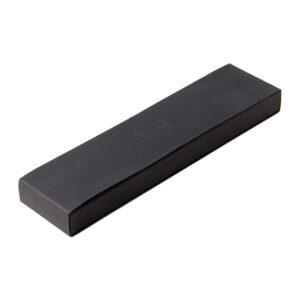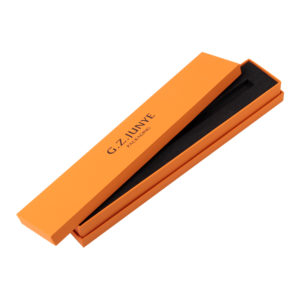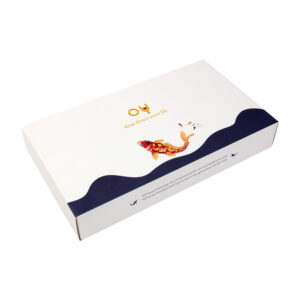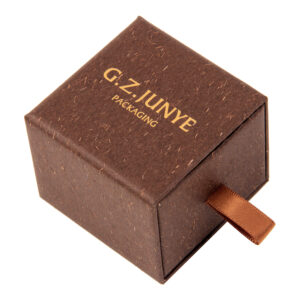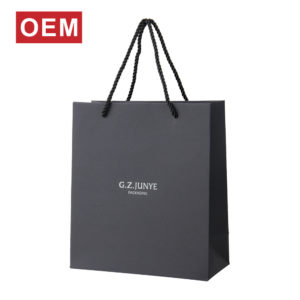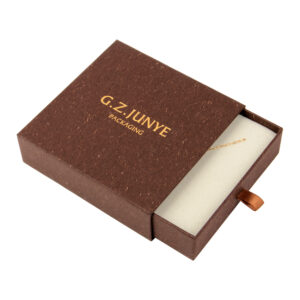
A book box with a magnetic closure is easy to describe badly. Read a supplier page and the words suggest a lid that lifts off, or a cover that wraps the walls, or a tie that does the holding. None of those is what the box does. The cover is a thin panel on a paper hinge, the magnets are buried in the board, and closed, the whole pack reads as one white surface.
What a Book-Style Box Actually Is
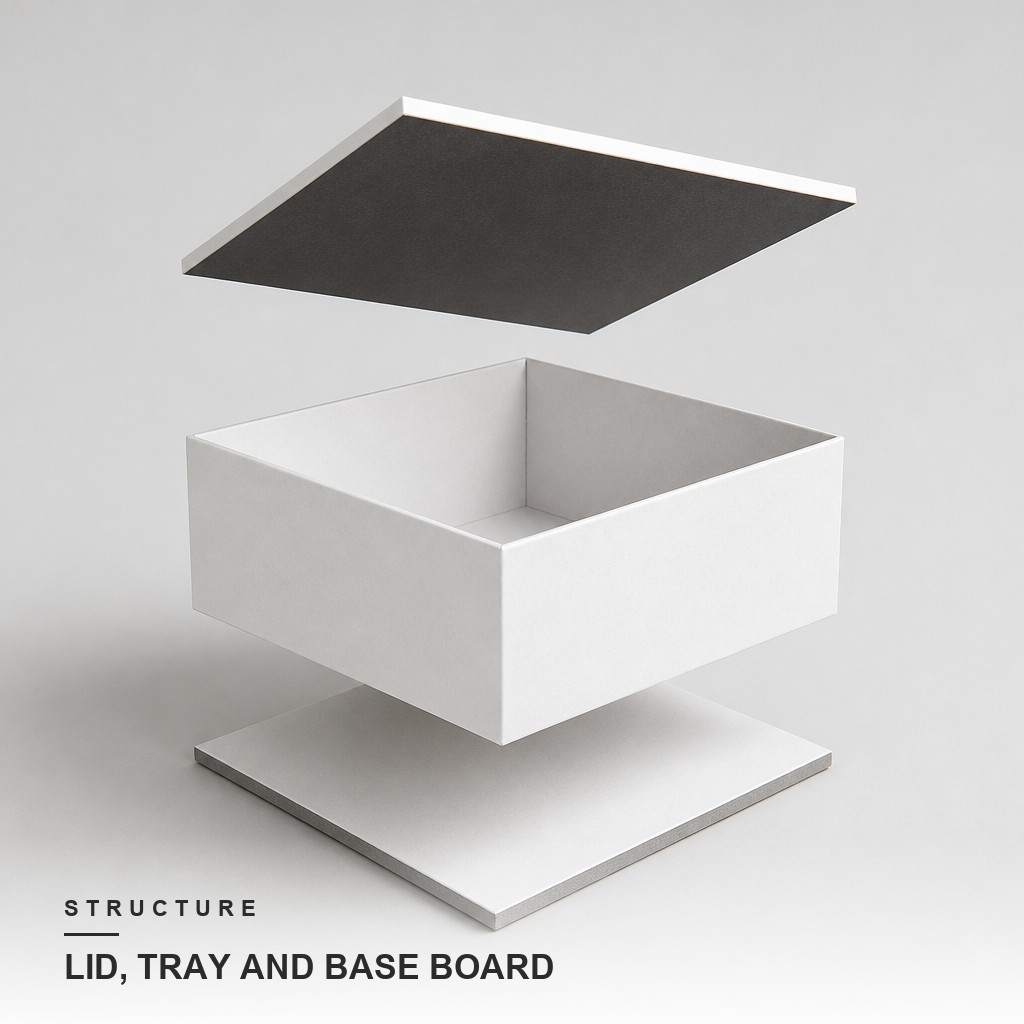
Two parts, joined on one side. The tray is a four-walled box with an open cavity. The cover is a flat panel that carries the liner on its inner face. They are attached along one long edge, the spine, and that join is the only fixed point in the whole assembly.
Everything else follows from that single line of attachment: the way the box opens, the way it closes, and the fact that the cover can lie flat without being supported.
Why the Cover Sits Flush Instead of Over the Walls
There are two common ways to close a rigid box. One is a shell that drops over the tray and covers the walls, which leaves a visible break where the shell ends. The other is this: a thin cover that comes level with the mouth, so the outer walls run unbroken from the base to the top edge.
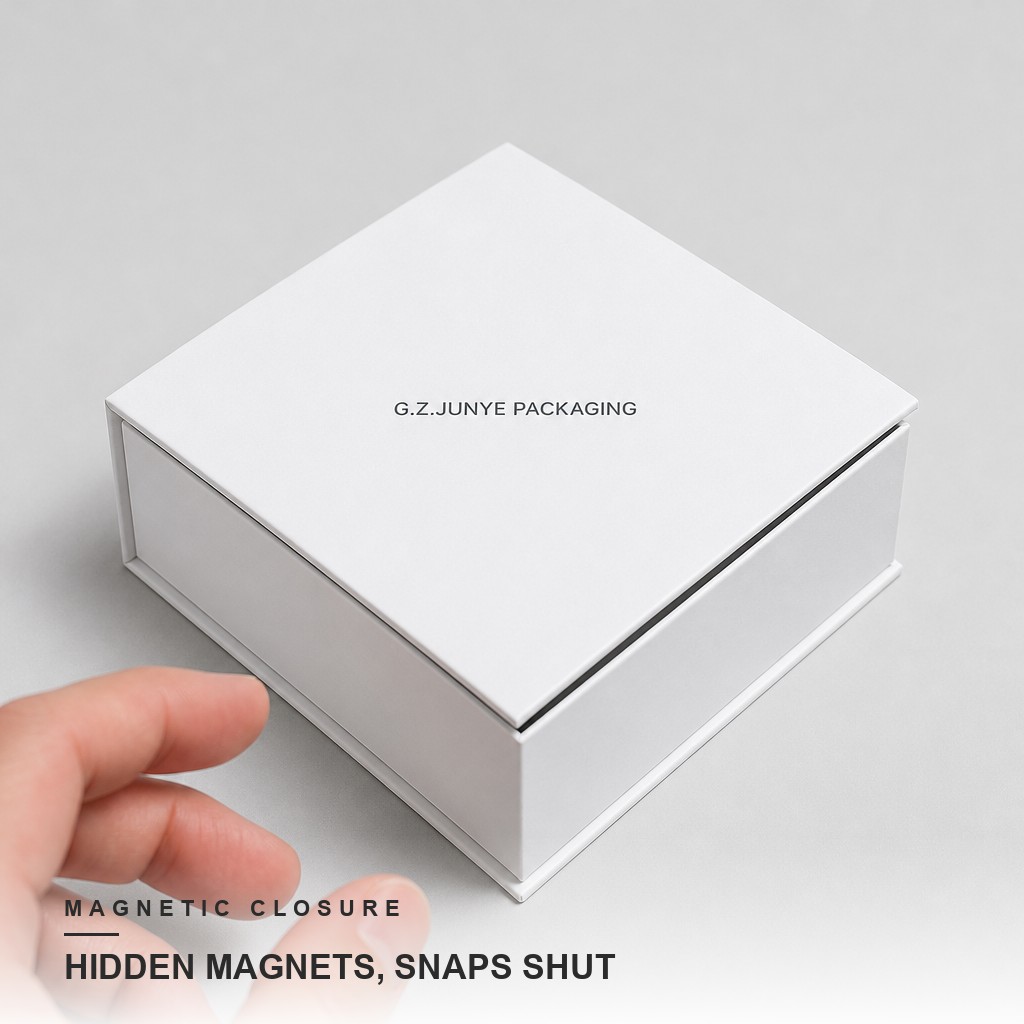
On an 8 x 8 x 4 cm box the difference is easy to see. Closed, the sides read as one plane; the cover is not a separate volume sitting on top. The only mark is a hairline seam along the mouth, no thicker than the paper wrap.
Where the Magnets Sit
Two magnets are embedded in the closing edge, opposite the spine. They are set into the board before the wrap goes on, so they end up under the paper: from the outside there is no disc, no ring and no recess to see or catch a fingernail on.
That placement does two things. It keeps the closing face clean, and it puts the holding force where the cover is already stiffest, so the panel pulls down evenly instead of bowing at one corner.
Opening Flat to 180 Degrees
The hinge is the wrap itself, folded back on the board along the spine. Because the joint is paper, it has no pin, no knuckle and no screw to work loose, and it allows the cover to swing until it lies in the same plane as the tray, about 180 degrees.
On a packing line that is the practical difference. The cover stays where it is put, the tray is open in front of the operator, and the box can be loaded with both hands instead of one hand holding a lid.
What it does not have
No metal hinge, no rivets, no clasp, no tuck flap and no tie. The closure is magnetic and the hinge is paper, which is the whole hardware list.
The Liner Inside the Cover Is the Print Panel
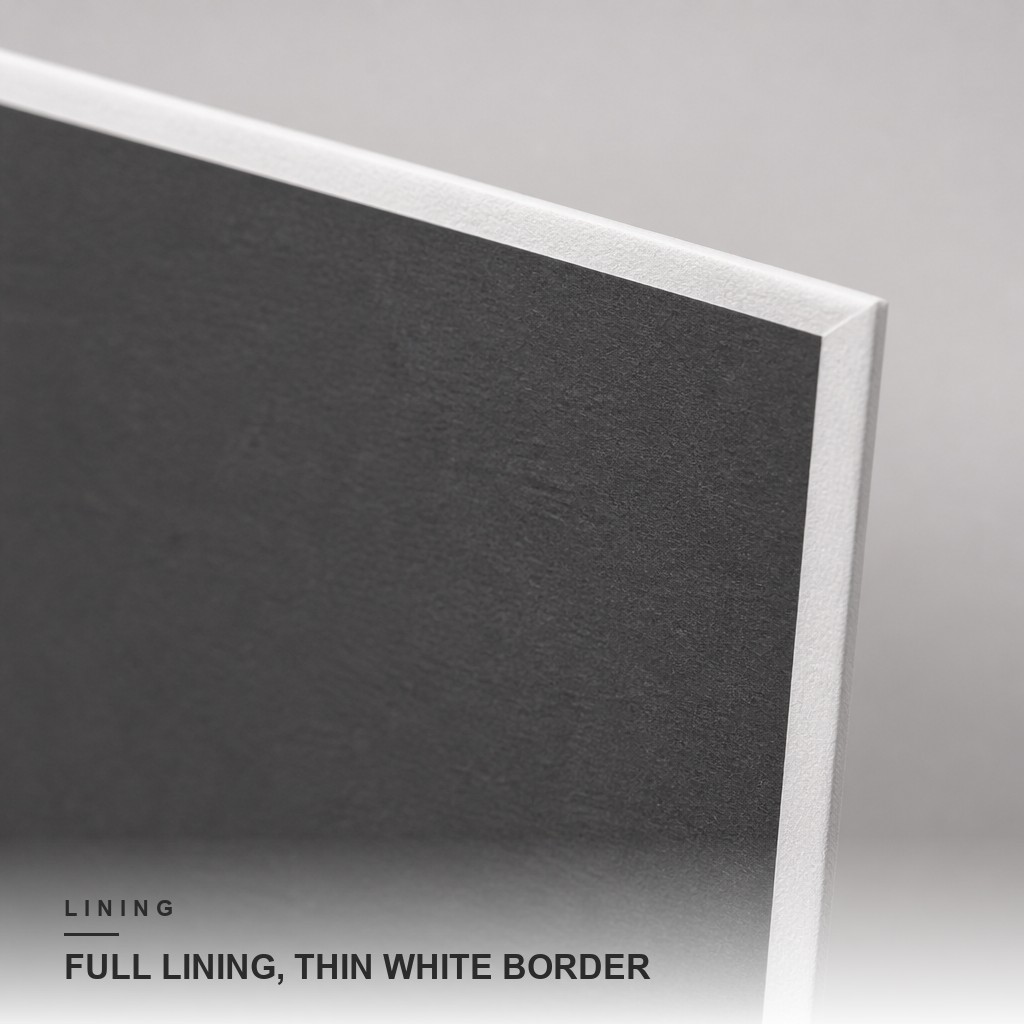
The inner face of the cover is lined across its full width and height with printed paper, leaving a narrow white margin at the edges. Of all the surfaces on this product, that panel is the largest one that can carry print without interruption.
The sample shows a dark grey liner with light type, which is one option rather than the rule. A brand line, a colour field, a pattern or a foiled mark all sit there, and because the panel faces the buyer at the moment of opening, it does more work than a logo on the outside.
The Step Under the Tray and the Seam at the Mouth
Two details separate a box that looks machined from one that looks assembled. The first is at the mouth: cover and tray meet on a hairline seam, with neither edge proud of the other.
The second is underneath. The base board is cut a fraction wider than the walls, so a fine step runs around the bottom. The box stands on that edge rather than on the wrapped corners, which is why it sits flat on a shelf and does not rock.
Insert Design Around a Bottle
The tray arrives open, with no cavity fixed in it. That is deliberate: an insert cut around the actual bottle holds it better than a generic recess, and the cavity can follow a shoulder, a collar or a pump rather than a cylinder.
Four materials cover most cosmetics work. EVA holds a spray bottle upright with the pump clear of the cover; foam gives a softer bed for glass; a flocked cut-out suits a gift set where the inside is seen first; a paperboard platform seats a jar or a compact at the lowest unit cost.
The dimension that is usually missed is depth. The product should finish below the mouth of the tray, so the cover closes on the board and never on the pump or the cap.
What to Send Before a Dieline Is Cut
Send four things: the outside size you want, the paper and finish, the liner artwork with its colour count, and the product that goes inside with its insert route. A dieline and a 3D mockup come back within 1 to 3 days, a physical sample in 5 to 7 days.
A sample request is the quickest way to hold the hinge and the magnet in your hand. The FAQ answers the rest, the cosmetic packaging line shows where this box sits, and the workshop can quote from a drawing.